Best Azelaic Acid Serums Under $25 for New Moms in Fall 2026 (Pregnancy- & Nursing-Friendlier, Fragrance-Free, Honest Cons)
Editorial Research Roundup — compiled from secondary sources, not personal hands-on testing. This guide synthesizes dermatologist-sourced coverage (NBC Select, Marie Claire), a physician-authored pregnancy-and-lactation skincare guide (Clean Conscious Beauty), verified user reviews on Ulta, Sephora, and Target, and community consensus from r/SkincareAddiction. We have not personally used every product here. Where the consensus is strong, we present it directly; where opinions split, we surface the disagreement. Anything about pregnancy or nursing safety below is general information, not medical advice — confirm with your OB/GYN or dermatologist before adding any active to a postpartum routine. As an affiliate for the retailers linked below, BestUnderPick may earn a commission from qualifying purchases at no extra cost to you. Prices were checked on 2026-08-24 and can shift with stock and promotions.
Azelaic acid has quietly become one of the most-searched skincare ingredients heading into fall 2026, and there is a reason it keeps landing in new-mom skincare threads. Here is the part most roundups bury: a genuine 10% azelaic serum can cost as little as $12, while prescription-strength versions (Finacea at 15%, Azelex at 20%) require a doctor’s visit and a copay. For the sleep-deprived 28-to-38-year-old juggling postpartum melasma, hormonal breakouts, and redness at once, that gap matters. Azelaic is widely described by dermatologists as one of the gentler multitasking actives — and, unlike retinoids, one often considered more compatible with pregnancy and breastfeeding (caveat below). After aggregating dermatologist coverage, a physician-authored safety guide, and verified retailer reviews, five names kept surfacing under $25. Our TL;DR consensus top pick: the Naturium Azelaic Topical Acid 10% at $20 — the fragrance-free, widely stocked multitasker a new mom can grab on a Target run.
Our Top Picks at a Glance
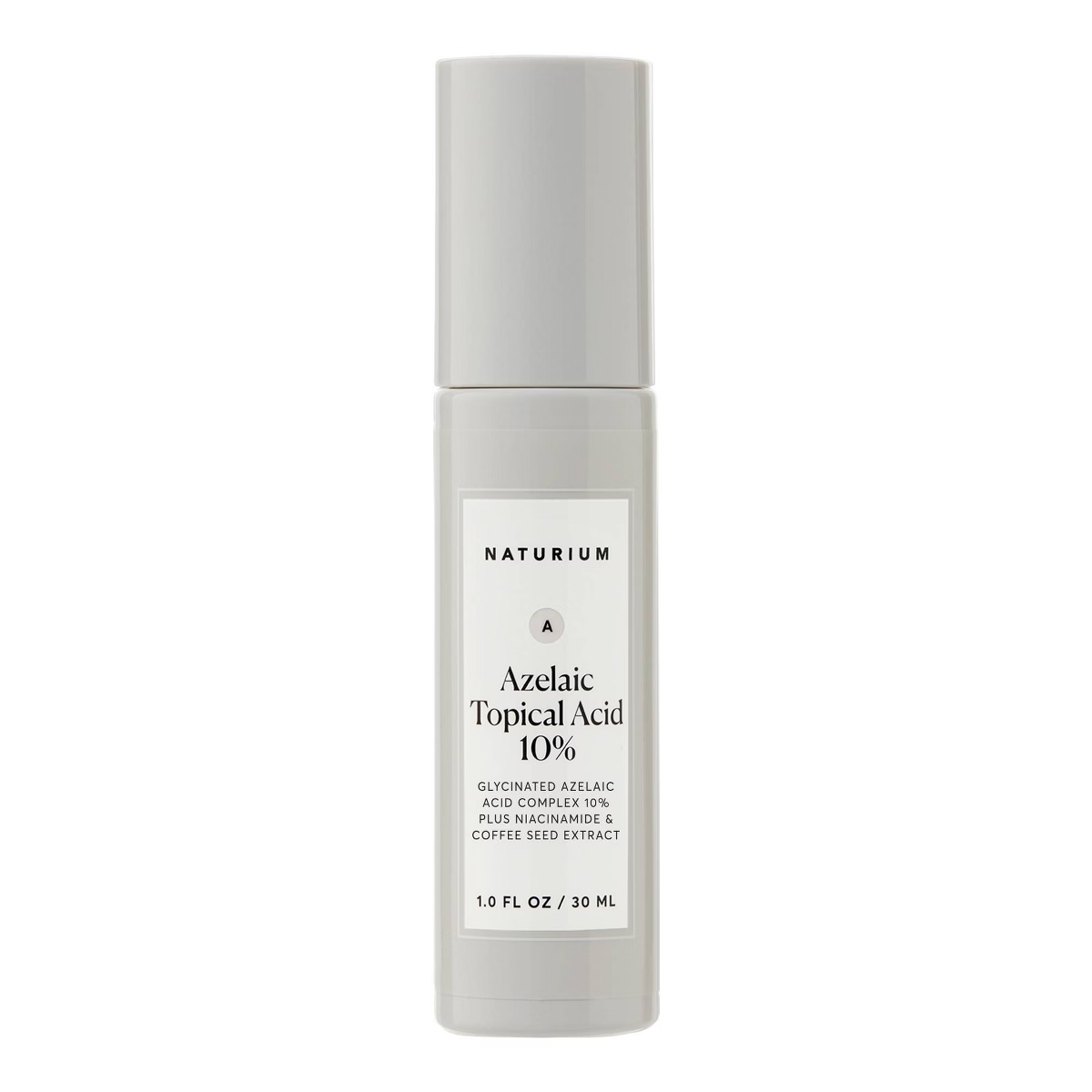
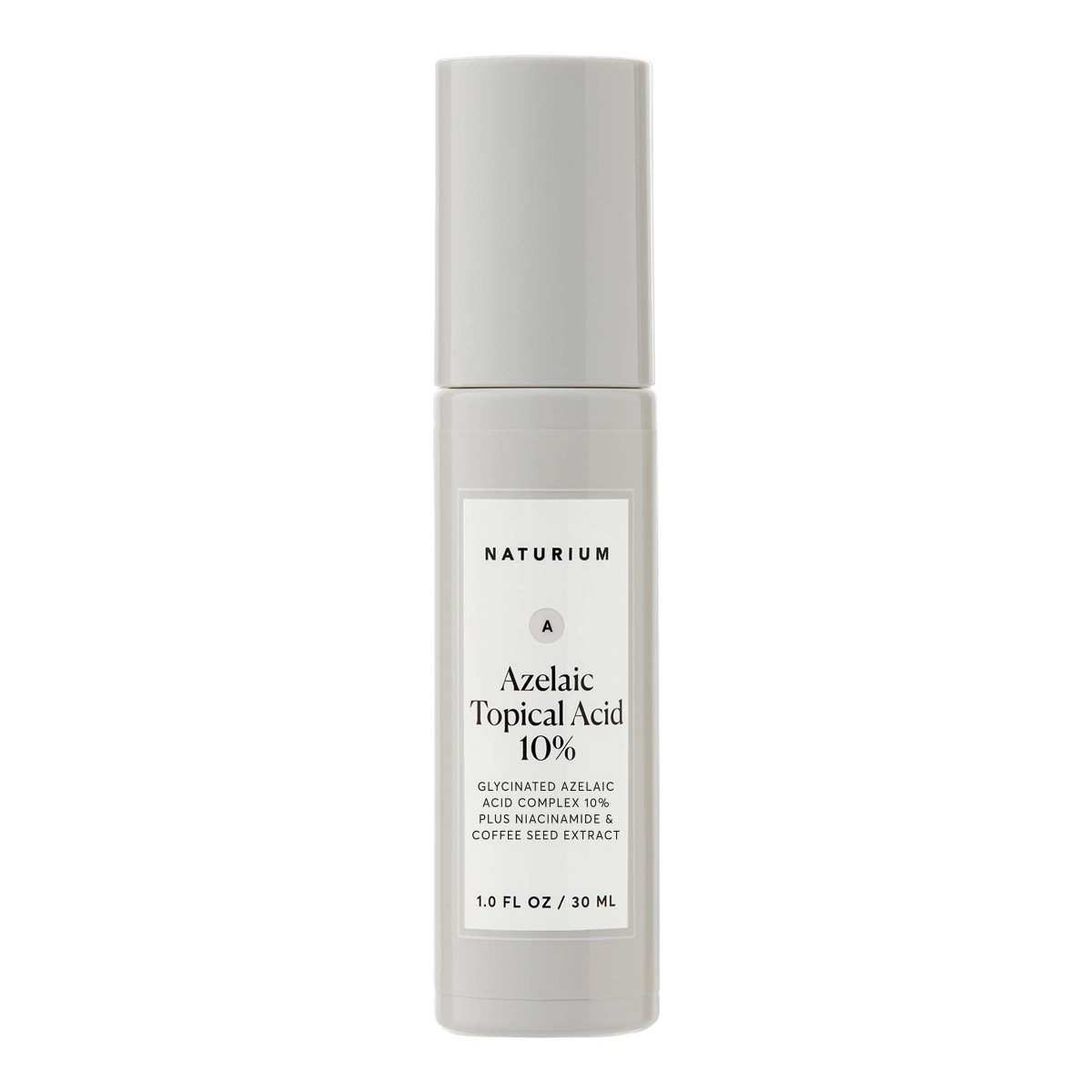
- Top Pick — Naturium Azelaic Topical Acid 10% ($20): the fragrance-free, gentle multitasker (a milder azelaic derivative) that is easy to grab at Target, Ulta, or Amazon.
- Best for Redness — ANUA Azelaic Acid 10 Hyaluron Redness Soothing Serum ($19): a hydrating K-beauty option built around visible redness and reactive postpartum skin.
- Best for Sensitive (No-Pill) — The INKEY List SuperSolutions 10% Azelaic Serum ($20): true 10% azelaic in a fluid format that layers cleaner than gritty suspensions.
- Best Value (below band) — Good Molecules 10% Azelaic Acid Treatment ($12): a genuine 10% azelaic at a first-timer price, with no silicone pilling.
- Best Budget True-Azelaic (below band) — The Ordinary Azelaic Acid Suspension 10% ($12.20): the cheapest true azelaic, with one honest, well-documented catch: pilling.
Quick Comparison Table
| Product | Price | % Azelaic (true vs derivative) | Pregnancy-friendlier* | Nursing note* | Best for | Fragrance-free |
|---|---|---|---|---|---|---|
| Naturium Azelaic Topical Acid 10% | $20 | 10% via derivative (potassium azeloyl diglycinate) + niacinamide + vitamin C | Often considered yes* | Absorb before skin-to-skin* | Gentle everyday multitasking | Yes |
| ANUA Azelaic Acid 10 Hyaluron | $19 | “10” azelaic + HA + niacinamide (some derivative) | Often considered yes* | Absorb before skin-to-skin* | Redness + hydration | Yes |
| The INKEY List SuperSolutions 10% | $20 | True 10% azelaic (fluid serum) | Often considered yes* | Absorb before skin-to-skin* | Sensitive skin, no pilling | Yes |
| Good Molecules 10% Azelaic Treatment | $12 | True 10% azelaic | Often considered yes* | Absorb before skin-to-skin* | Best value, first try | Yes |
| The Ordinary Azelaic Suspension 10% | $12.20 | True 10% azelaic (suspension) | Often considered yes* | Absorb before skin-to-skin* | Cheapest true azelaic | Yes |
*Pregnancy/nursing notes are general information, not medical clearance. Azelaic acid is widely described as one of the more pregnancy- and breastfeeding-friendlier actives, but individual situations differ — confirm with your OB/GYN or dermatologist. See the safety section below.
How We Compiled This Guide
This is a research roundup, not a personal test drive, and for a postpartum reader that honesty matters more than a fake testimonial. Here is the four-step method.
First, expert-coverage compilation: we cross-referenced dermatologist-sourced azelaic guides from NBC Select and Marie Claire, both of which lead with azelaic as a gentle multitasking alternative for people who cannot tolerate retinoids or stronger acids, and both of which flag its comparative pregnancy compatibility. Second, a physician-authored safety cross-check — Clean Conscious Beauty’s doctor-written pregnancy-and-lactation azelaic guide, the closest reference to this exact reader and the source for the nursing-contact caution below. Third, verified-review sampling from Ulta, Sephora, and Target pages, reading the complaints as well as the star average. Fourth, a community and price cross-check against r/SkincareAddiction consensus and each retailer’s live listing on 2026-08-24 — which is how we separated the true 10% azelaic formulas from the gentler derivative versions.
One caution throughout: we have not personally used each of these serums for the weeks azelaic takes to work. Where reviewers agree, we say so; where they split — speed, texture, pilling — we flag it. Every pick names its real azelaic content and a genuine downside.
A Quick, Honest Word on Pregnancy and Nursing Safety
Because this guide is written for new moms, the safety framing has to come before the products — and it has to stay honest. Azelaic acid is widely considered one of the more pregnancy- and breastfeeding-friendlier active ingredients, and it is the reason dermatologist coverage so often recommends it to expecting and postpartum readers. But “widely considered friendlier” is general information, not a personal green light. Confirm with your OB/GYN or dermatologist before starting, especially while nursing.
Two honesty points the thinner roundups skip. First, per the physician-authored Clean Conscious Beauty guide, there is a nursing-specific caution: let a leave-on product fully absorb before any skin-to-skin contact so it does not transfer to a baby’s skin, and keep actives away from the chest area while breastfeeding. Second, watch for multi-active formulas — a product that adds salicylic acid (a leave-on BHA) or ingredients like kojic or tranexamic acid changes the pregnancy-versus-nursing calculation and needs individual clearance from your provider. That is why we kept the core five picks to simple, single-active azelaic serums and pushed multi-active options into a separate reference section. When in doubt, patch test, go slow, and ask your doctor.
Top Pick — Naturium Azelaic Topical Acid 10% — $20
Quick stats: $20 · Naturium · fragrance-free, vegan, cruelty-free · 10% azelaic delivered mainly as potassium azeloyl diglycinate (a gentler derivative) plus niacinamide and vitamin C · thin lotion-emulsion texture.
For a new mom, this is the consensus easy button. Per Naturium’s formulation and Ulta and Target reviewer feedback, it is smooth, non-gritty, and fragrance-free, and it targets spots, redness, and uneven tone in one two-minute step. The honest technical caveat: the 10% here is largely a derivative (potassium azeloyl diglycinate) rather than pure, gritty azelaic acid — noticeably gentler on reactive postpartum skin but also, per r/SkincareAddiction consensus, milder and slower than the true-acid formulas below. It is stocked essentially everywhere (Target, Ulta, Amazon), fitting the “buy it while grabbing diapers” reality of this stage.
What reviewers praise
Per Ulta and Target verified reviews, the recurring notes are the silky, non-pilling texture, the fragrance-free base, and the fact that it layers cleanly under sunscreen and makeup. Buyers with sensitive skin frequently frame it as an easy first azelaic that did not sting.
Recurring complaints
The most common criticism, per aggregated reviews, is that because it leans on a derivative, some users see subtler change than they expected. A minority report early purging, and a few note light pilling under certain sunscreens. Set expectations accordingly: this is the gentle, low-drama option, not the strongest one.
Best fit for: the new mom who wants the gentlest, most widely available fragrance-free multitasker and is fine trading some potency for comfort.
Check price: Naturium Azelaic Topical Acid 10% at Ulta →
Best for Redness — ANUA Azelaic Acid 10 Hyaluron Redness Soothing Serum — $19
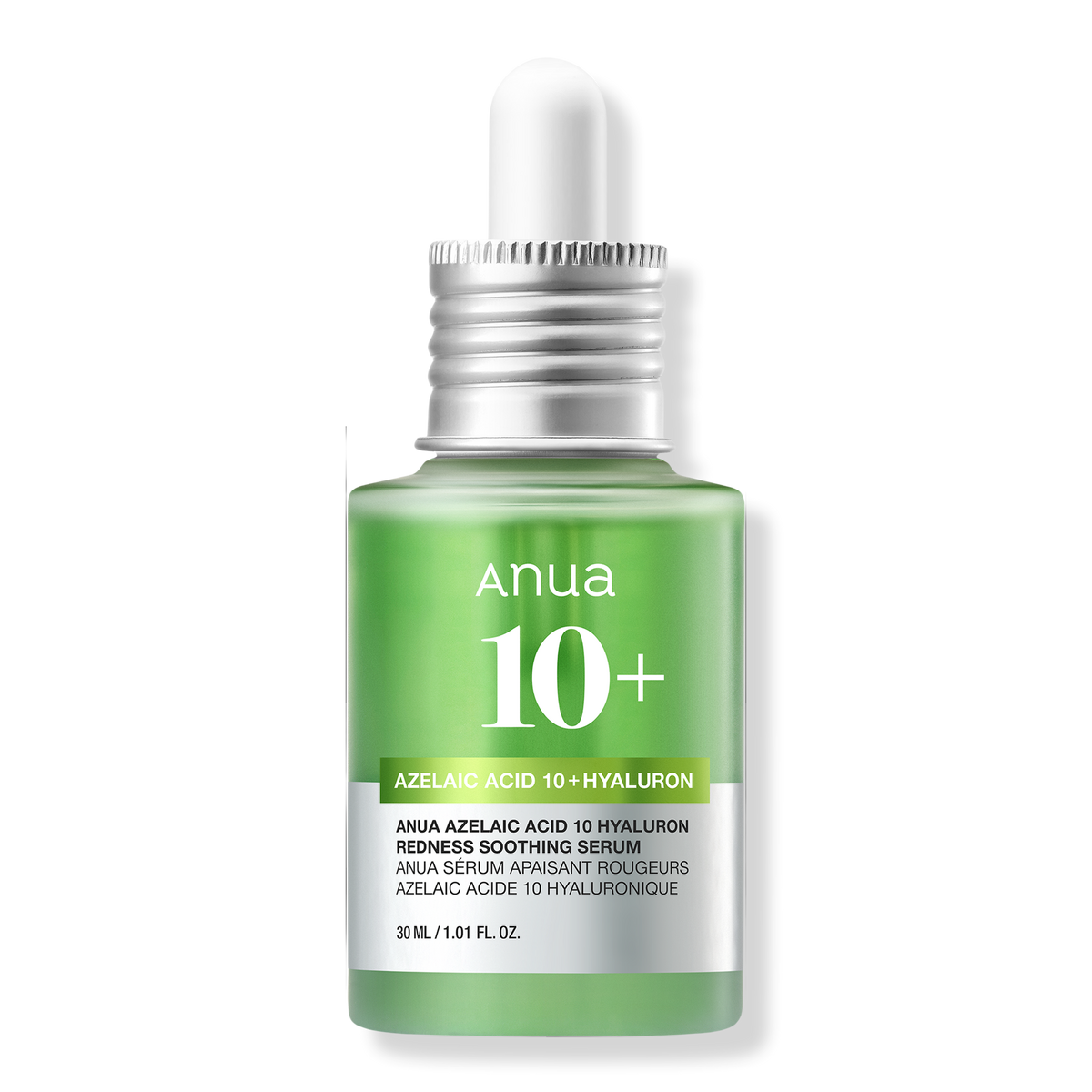
Quick stats: $19 (often ~$15 on promo) · ANUA (K-beauty) · fragrance-free · azelaic plus hyaluronic acid and niacinamide · watery-gel texture, fast absorbing.
If your main postpartum concern is visible redness rather than dark spots, this is the pick built for it. Per ANUA’s formulation and Ulta reviewer feedback, pairing azelaic with hyaluronic acid adds a hydration layer that reactive, dehydrated postpartum skin tends to appreciate, and the lightweight watery-gel finish sinks in fast — useful when you have thirty seconds, not thirty minutes. It is fragrance-free and priced to rebuy without guilt.
What reviewers praise
Across Ulta and retailer reviews, the throughline is comfort: buyers call it soothing on irritated, red-prone skin, and they like the dewy, natural finish and quick absorption. The hydration angle is the differentiator reviewers name most.
Recurring complaints
Per verified reviews, it can be slow or subtle on stubborn melasma specifically, the 30ml bottle runs out quickly with full-face use, and a few users find it slightly tacky before moisturizer. Note too that, per ingredient discussion, some of its “10” azelaic character comes from derivative chemistry for texture — so, like the Naturium, treat it as gentle rather than maximum strength.
Best fit for: the redness-first new mom who wants soothing and hydration alongside her azelaic.
Check price: ANUA Azelaic Acid 10 Hyaluron Redness Soothing Serum at Ulta →
Best for Sensitive (No-Pill) — The INKEY List SuperSolutions 10% Azelaic Serum — $20
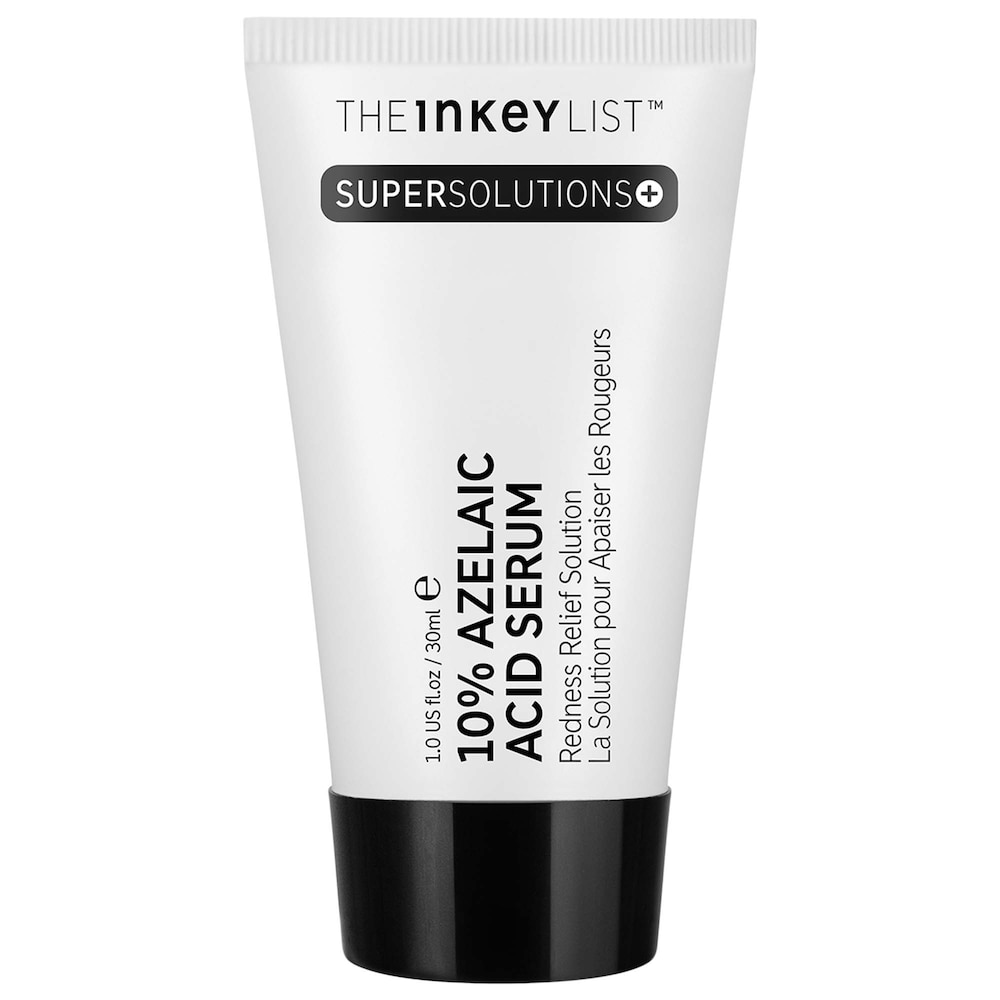
Quick stats: ~$20 · The INKEY List · fragrance-free · true 10% azelaic acid in a fluid serum format (not a gritty suspension) · smooth, lightweight, fast-absorbing.
This is the one to reach for if you want real 10% azelaic acid without the texture headaches. Per The INKEY List’s formulation and Sephora reviewer feedback, delivering the acid in a fluid serum rather than a silicone suspension means it layers far more cleanly and pills far less under sunscreen — the specific complaint that drives people away from cheaper true-azelaic options. It targets redness and uneven tone and disappears into the skin, which is exactly what a rushed morning routine needs.
What reviewers praise
Per Sephora verified reviews, buyers highlight how weightless and fast-absorbing it is and that it plays well under SPF and makeup without balling up. Sensitive-skin users appreciate getting true azelaic in a format that does not fight their other steps.
Recurring complaints
The honest catch, per reviewer feedback, is that results are subtle and require consistency — this is a marathon active, not an overnight fix. Some flag the size relative to the price, and a few sensitive users report mild tingling on application.
Best fit for: the new mom who wants true 10% azelaic but was burned by pilling and needs a clean-layering, fragrance-free serum.
Check price: The INKEY List SuperSolutions 10% Azelaic Serum at Sephora →
Best Value (below band) — Good Molecules 10% Azelaic Acid Treatment — $12
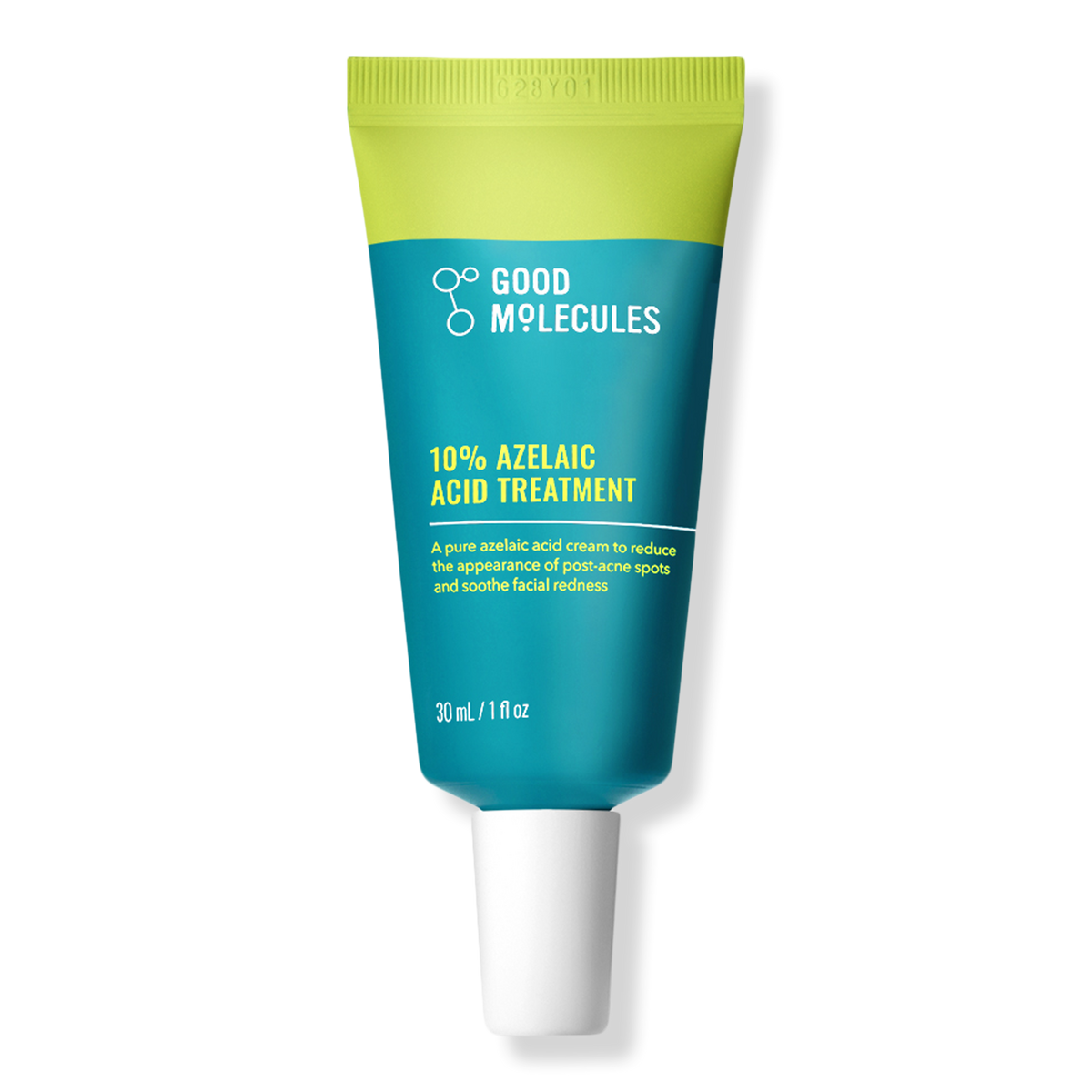
Quick stats: $12 (below our $17.50 in-band floor — labeled a value pick) · Good Molecules · fragrance-free, vegan · true 10% azelaic acid · light liquid-gel, fast absorbing.
We are labeling this one clearly: at $12 it sits below our under-$25 core band, so it is a value call rather than an in-band pick. But it is arguably the best pure-value option here — a genuine 10% azelaic acid, no silicone base to pill, at a price that makes trying the ingredient low-stakes. Per Ulta and Target reviewer feedback, it targets post-acne marks, redness, and uneven tone in a light liquid-gel that absorbs quickly and leaves little residue.
What reviewers praise
Per verified reviews, buyers like that it delivers true azelaic without the gritty, drying feel of some rivals, and that it is fragrance-free and budget-friendly enough to keep in rotation.
Recurring complaints
The recurring notes are patience-related: results are slow and require consistency, the thin format makes it easy to over-apply, and per some reviews it is less actively soothing than the ANUA for very reactive skin.
Best fit for: the cost-conscious new mom who wants a real 10% azelaic as a first try without the pilling of a suspension.
Check price: Good Molecules 10% Azelaic Acid Treatment at Ulta →
Best Budget True-Azelaic (below band) — The Ordinary Azelaic Acid Suspension 10% — $12.20
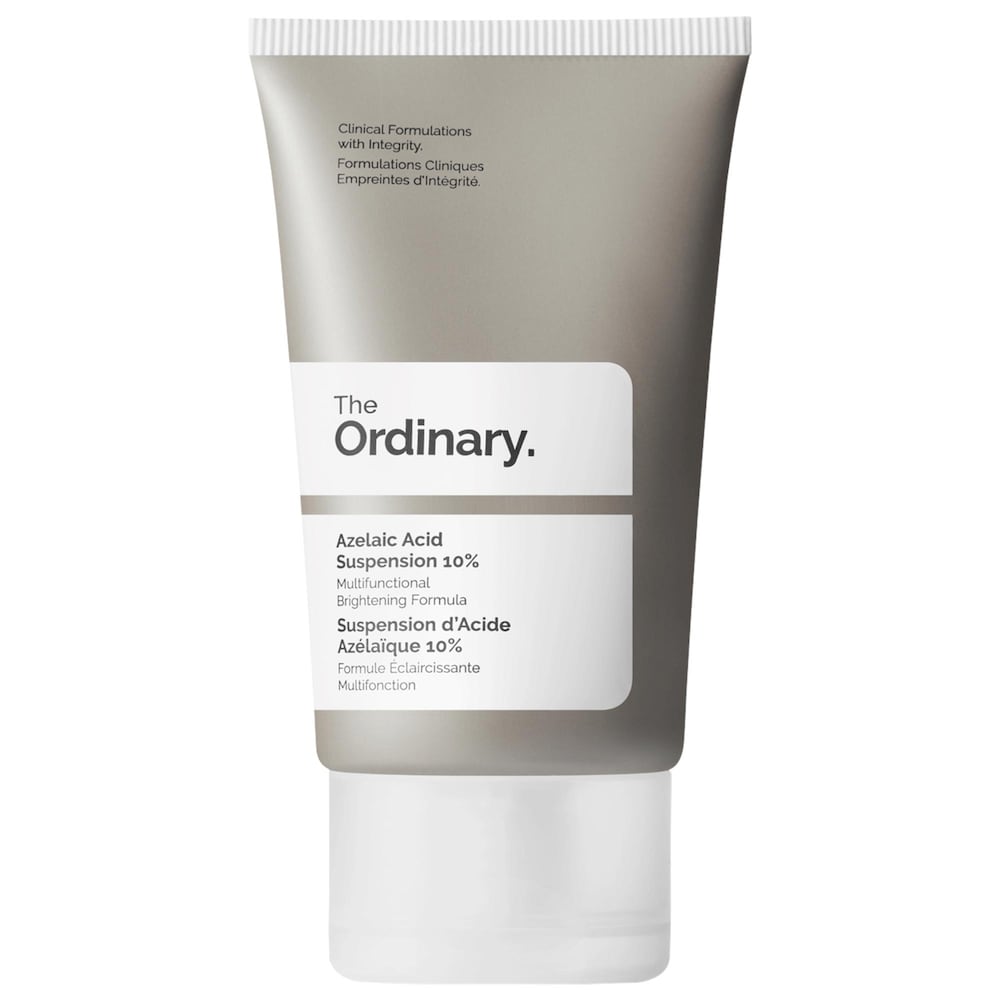
Quick stats: $12.20 (below the $17.50 floor — labeled a value pick) · The Ordinary (DECIEM) · fragrance-free · true 10% azelaic acid in a silicone suspension · matte, soft-focus finish.
This is the cheapest true azelaic acid on the list, and it earns its place — with one honest, well-documented catch. Per Sephora and Ulta reviewer feedback and r/SkincareAddiction consensus, the number-one complaint is pilling: the silicone suspension base can roll and ball up under sunscreen or makeup. It works, and the brightening-plus-texture benefits are real, but only if you use it correctly.
What reviewers praise
Per verified reviews, buyers value the true-acid formula at a rock-bottom price and the matte, blurring finish some prefer for daytime.
Recurring complaints
Pilling under other products and SPF is the dominant, repeated complaint, per aggregated reviews — followed by a gritty or slightly drying feel and slow visible results measured in weeks to months. The fix that reviewers converge on: apply a thin layer, use it on its own step, and let it fully absorb before layering anything on top.
Best fit for: the budget-minded new mom who wants true azelaic for the lowest price and will follow the thin-layer, absorb-first routine to avoid pilling.
Check price: The Ordinary Azelaic Acid Suspension 10% at Sephora →
If You Can Stretch Past $25 (Reference, Not Picks)
A few options come up often but sit above our $25 ceiling or add complexity, so we are listing them as references rather than cards.
Facetheory Blemicalm Azelaic Acid 10% (A10) — about $28. A true 10% azelaic in a smooth, low-pill emulsion with a fragrance-free option, sold direct-to-consumer in the US. It is the natural “spend a little more” upgrade for readers who want true-acid strength without the pilling of a suspension.
Paula’s Choice 10% Azelaic Acid Booster — about $42. This one adds 0.5% salicylic acid (a leave-on BHA) plus licorice. The added BHA changes the pregnancy-versus-nursing picture, so per our safety framing above it needs individual clearance from your provider — which is exactly why we kept it out of the core cards.
Topicals Faded Serum — about $38 (minis run lower). A multi-active dark-spot serum combining azelaic with tranexamic acid, kojic acid, and niacinamide. Powerful, but off-brief for a simple single-active routine, the original is scented (choose unscented), and the extra actives warrant a provider conversation for nursing. One honorable mention for the derivative-curious: Geek & Gorgeous aPAD is a gentle 6% PAD derivative rather than a 10% azelaic serum, so it did not make the true-serum cut.
How to Choose an Azelaic Acid Serum as a New Mom
A few editorial guardrails, drawn from the dermatologist coverage and community threads above.
Start with true acid versus derivative. The Ordinary, Good Molecules, and The INKEY List use true 10% azelaic acid; Naturium (and, in part, ANUA) use gentler derivative chemistry. Per r/SkincareAddiction consensus, derivatives are milder and more comfortable but slower and subtler — a fair trade if your skin is reactive, a drawback if you want maximum results. On strength, over-the-counter azelaic caps at about 10%, while prescription Finacea (15%) and Azelex (20%) are faster but require a doctor; per NBC Select’s coverage, the OTC route is the gentler, slower one, which is often the point postpartum.
Be realistic about timeline and format. Azelaic is not an overnight fix — expect roughly six to eight weeks or more before melasma or post-acne marks visibly fade, which we frame as a trust point, not a downside. Every core pick here is fragrance-free, which matters for sensitive postpartum skin; if you choose a suspension like The Ordinary, apply it thin, on its own step, and let it absorb to dodge pilling. And keep wearing daily SPF — it is what stops faded pigment from coming back.
Frequently Asked Questions
Is azelaic acid safe while breastfeeding?
Azelaic acid is widely described by dermatologists as one of the more breastfeeding-friendlier actives, per NBC Select and Marie Claire coverage and the physician-authored Clean Conscious Beauty guide. That said, this is general information, not medical clearance — confirm with your OB/GYN or dermatologist. A practical, commonly cited nursing caution: let any leave-on product fully absorb before skin-to-skin contact, and keep actives off the chest area.
What percentage of azelaic acid should I use?
Over-the-counter serums are typically 10%, which is the gentler, slower strength most dermatologist coverage recommends for sensitive or postpartum skin. Prescription options (15% Finacea, 20% Azelex) are stronger and faster but require a doctor. For a first try, per community consensus, 10% is the standard starting point.
How long does azelaic acid take to fade dark spots?
Plan on roughly six to eight weeks or more of consistent daily use before you see melasma or post-acne marks visibly fade, per dermatologist coverage. It is a gradual active, not an overnight one, and pairing it with daily sunscreen is what protects the progress.
Can I use azelaic acid with vitamin C or retinol?
Azelaic generally layers well with niacinamide and hyaluronic acid, and many routines pair it with vitamin C. Combining it with retinol can be more irritating for some skin, per community discussion — and if you are pregnant or nursing, retinoids are typically avoided entirely, so check with your provider before stacking actives. Introduce one new product at a time and patch test.
Does azelaic acid actually help postpartum melasma?
Per dermatologist coverage, azelaic is one of the go-to gentler options for melasma and post-inflammatory pigmentation, which is a big reason it maps so well to postpartum skin. Results are gradual and, per reviewer feedback, vary by person and by true-acid versus derivative formula.
Do I still need sunscreen if I use azelaic acid?
Yes. Azelaic can help fade existing pigment, but daily broad-spectrum SPF is what prevents melasma and dark spots from darkening again. Sunscreen is non-negotiable with any brightening routine.
Editor’s Pick Recap
For the 28-to-38 new mom looking for a gentle, fragrance-free multitasker under $25 this fall, the consensus top pick is the Naturium Azelaic Topical Acid 10% at $20 — the easiest to find and the gentlest to wear. If redness is your main concern, the hydrating ANUA Azelaic Acid 10 Hyaluron ($19) is built for it; if you want true 10% azelaic without pilling, The INKEY List SuperSolutions 10% ($20) is the clean-layering choice. On the tightest budget, Good Molecules ($12) and The Ordinary ($12.20) deliver real azelaic for the price — just apply The Ordinary thin to dodge the pilling. And the honest headline stays the same: azelaic is gentle and gradual, so give it six to eight weeks, wear SPF, and clear any pregnancy or nursing routine with your doctor first.
This is an editorial research roundup, not personal hands-on testing. We compiled it from dermatologist coverage, a physician-authored safety guide, and verified user reviews, and we flagged the disagreements rather than smoothing them over. Nothing here is medical advice; pregnancy and nursing decisions belong with your OB/GYN or dermatologist. Prices were checked on 2026-08-24 and are subject to change.
→ Related: Best Tranexamic Acid Dark-Spot Serums Under $45
→ Related: Best Tinted Moisturizers & Skin Tints with SPF Under $50 for New Moms
→ Related: Best Vitamin C Serums Under $50 for New Moms with Sensitive Skin