Best Barrier-Repair Moisturizers Under $50 for 35+ Skin in 2026 (Fall’s ‘Barrier Repair 2.0’ Ceramide Picks)
Editorial Research Roundup — Compiled from secondary sources, not personal hands-on testing. This guide synthesizes dermatologist-cited expert roundups (NBC Select, HuffPost), community consensus (r/SkincareAddiction, r/30PlusSkinCare), verified user reviews on Sephora/Ulta/brand sites, and each brand’s published clinical claims. We have not personally tested every product. As an Amazon Associate and an affiliate for the retailers below, BestUnderPick may earn from qualifying purchases at no extra cost to you.
“Barrier repair” has quietly become one of the loudest stories in beauty this year — and heading into fall 2026, the conversation picked up a new label: “Barrier Repair 2.0.” Per 2026 sensitive-skincare trend coverage (Rodan+Fields, plus broader industry roundups), the shift is toward lighter, smarter ceramide-and-niacinamide formulas that reinforce skin without the heavy, occlusive feel of the old-school repair balms. Here’s the myth-buster underneath it: the “more actives, more often” era is ending, and a gentler skinimalism is taking its place.
If you are a 35+ skincare convert who spent the last few years stacking retinol, exfoliating acids, and vitamin C — and now your skin stings, flakes, or flushes in ways it never used to — this guide was built for you. The reassuring part, buried in nearly every dermatologist-cited roundup we read: the creams that keep winning are almost all under $50. Below are seven that authority coverage and verified reviewers converge on — four squarely in the $38–$50 range, plus three drugstore value picks we label honestly.
TL;DR top pick: Dr. Jart+ Ceramidin Skin Barrier Moisturizing Cream sits right at the $50 line and is the most-loved ceramide cream in this set (79.7K Sephora loves). Want the “2.0 lightweight” feel? Kiehl’s Ultra Facial Advanced Repair ($48) is the one to circle. On a budget, CeraVe (~$18) is the derm-default nobody argues with.
How This Guide Was Compiled
This is a research roundup, so it’s worth being transparent about the sourcing before the picks:
- Community consensus — We aggregated barrier-repair discussion across r/SkincareAddiction and r/30PlusSkinCare, where the same ceramide creams surface again and again in “my barrier is wrecked, help” threads.
- Expert roundups — We compiled dermatologist-cited best-of lists, primarily NBC Select’s barrier-cream and mature-skin testing and HuffPost’s expert panels for aging skin, both refreshed for 2026.
- Verified user reviews — We sampled retailer review signals on Sephora, Ulta, and brand sites (love counts, star ratings, recurring praise/complaint themes) rather than cherry-picking single glowing reviews.
- Brand and retailer cross-check — Prices, sizes, and stock were checked against Sephora/Ulta/Target listings, and every clinical figure is presented as a brand claim, not our own measurement.
One honest caveat, stated plainly: we have not personally carried or used every product here. Where the consensus is strong, we present it directly. Where opinions split, we surface the disagreement instead of smoothing it over.
Quick Comparison: 7 Barrier-Repair Moisturizers at a Glance
| Product | Price | Hero Ingredients | Best For | Where |
|---|---|---|---|---|
| Dr. Jart+ Ceramidin | $50 (at ceiling) | 5 ceramides + panthenol | Ceramide-forward dryness | Sephora |
| Kiehl’s Ultra Facial Advanced Repair | $48 | Barrier tech + oatmeal + beta-glucan | “2.0” lightweight layer | Sephora |
| First Aid Beauty Ultra Repair | $42 | Colloidal oatmeal + ceramide + shea | Very dry / eczema-prone | Sephora / Ulta |
| Paula’s Choice RESIST Barrier Repair | ~$38 | Ceramides + peptides + HA | Peptide + barrier in one | Sephora / DTC |
| CeraVe Moisturizing Cream | ~$18 (below-band value) | 3 ceramides + HA + MVE | Budget derm-default | Target / drugstore |
| La Roche-Posay Toleriane Double Repair | ~$25 (below-band value) | Ceramide-3 + niacinamide | Lightweight daytime | Target / Ulta |
| Byoma Moisturizing Rich Cream | ~$17 (below-band value) | Tri-Ceramide + cholesterol + fatty acids | Viral budget crossover | Ulta / Target |
A note on the band: our core four picks land at $38–$50 (76–100% of the $50 ceiling). The last three are honestly labeled below-band drugstore value picks — cheaper than the target range, but they appear in nearly every 2026 roundup, so leaving them out would be dishonest by omission.
The Picks
Top Pick (Ceramide Hero): Dr. Jart+ Ceramidin Skin Barrier Moisturizing Cream — $50
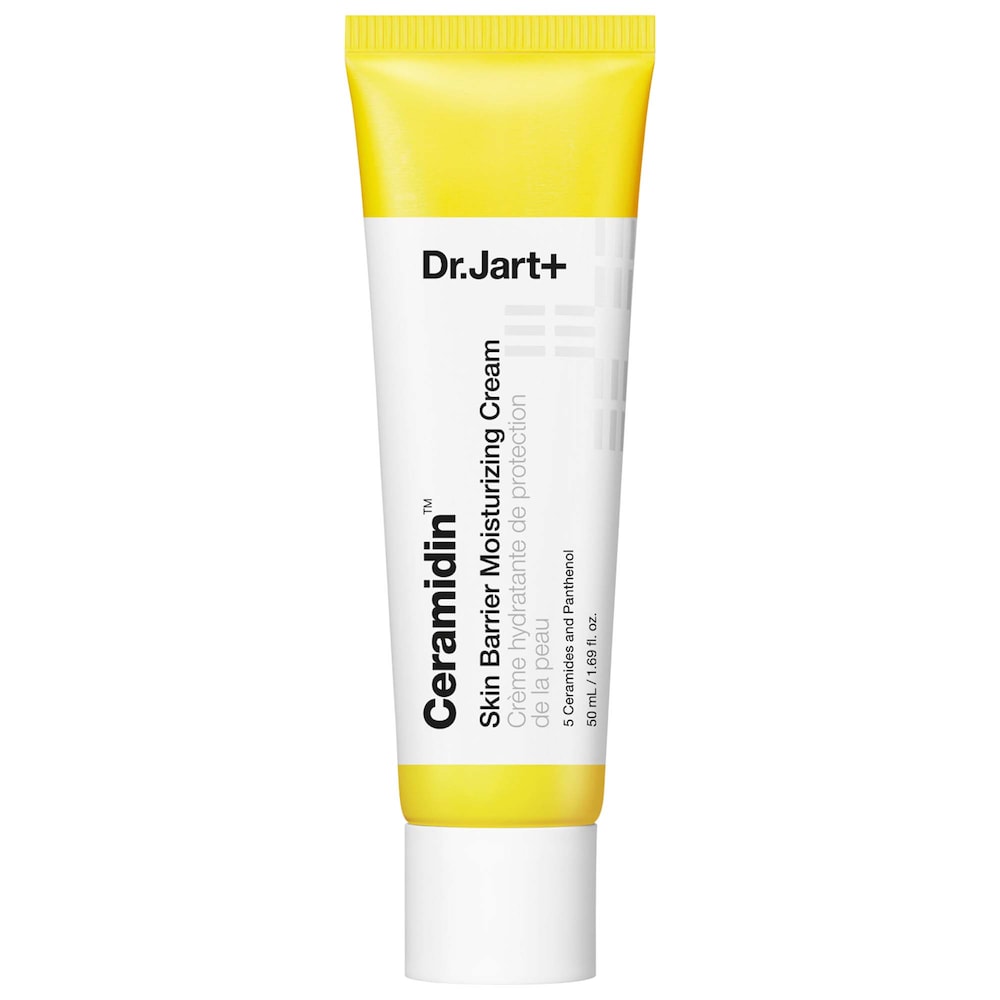
Price: $50.00 at Sephora (Auto-Replenish $47.50) · Brand: Dr. Jart+ · Key: five-ceramide + panthenol complex
This is the one name that shows up in both the expert lists and the Reddit threads, which is why it earns the top slot. Per Sephora’s listing it’s Dr. Jart+’s #1-bestselling moisturizer, with 872 reviews and 79.7K loves, and it’s repeatedly flagged as “highly rated for dry skin and cold weather.” The brand claims 100 hours of moisture after a single use and clinically strengthens the barrier in four weeks — figures worth taking as brand claims rather than gospel, but the ceramide-forward formula is exactly what a depleted 35+ barrier is asking for.
What reviewers praise: rich-but-not-greasy cushion, visible relief for tight, flaky patches, and overnight staying power (per Sephora verified reviewer feedback and r/SkincareAddiction mentions).
Recurring complaints: the texture can feel heavy for oily skin in summer; it’s pricier than drugstore ceramide creams; and the jar packaging draws the usual hygiene/oxidation critiques from ingredient-focused users.
Best fit for: a 35+ convert who wants the most-vouched-for ceramide cream and is fine sitting right at the $50 line. Honest note: this is at the ceiling, not under it — flagged so you’re not surprised at checkout.
Shop Dr. Jart+ Ceramidin at Sephora →
Best “Barrier Repair 2.0” Lightweight: Kiehl’s Ultra Facial Advanced Repair Barrier Cream — $48
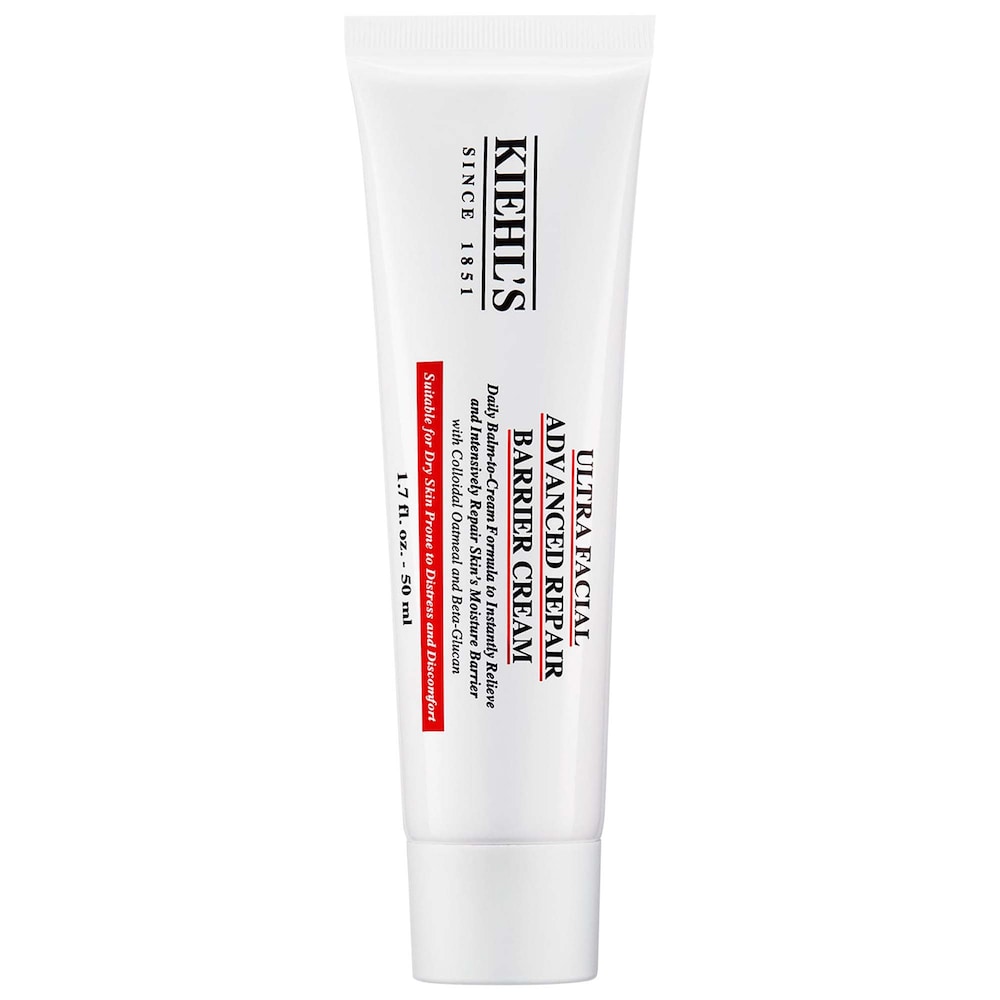
Price: $48.00 at Sephora (Auto-Replenish $45.60) · Brand: Kiehl’s Since 1851 · Key: Advanced Barrier Technology + colloidal oatmeal + beta-glucan
If “Barrier Repair 2.0” has a poster product, this is a strong candidate. Kiehl’s frames the formula around barrier technology meant to mimic skin’s own lipid structure, paired with colloidal oatmeal and beta-glucan to calm the redness that comes from dryness. The finish is lighter than a classic rich cream — the entire 2.0 pitch: reinforcement you can wear under makeup instead of a heavy nighttime slab. Per Sephora it holds 408 reviews and 26.5K loves, rated highly for satisfaction and cold-weather dryness.
What reviewers praise: the lighter, faster-absorbing feel; noticeable calming of dryness-related redness; layers well under SPF and foundation (per Sephora verified reviewer feedback).
Recurring complaints: it’s newer, so the review base is smaller than the classic Ultra Facial Cream; a few severely dry users find it not rich enough for deep winter; fragrance-sensitive skin should patch test.
Best fit for: a 35+ convert who wants a daytime barrier layer that disappears under makeup rather than a heavy occlusive.
Shop Kiehl’s Ultra Facial Advanced Repair at Sephora →
Best for Very Dry / Eczema-Prone: First Aid Beauty Ultra Repair Cream Intense Hydration — $42
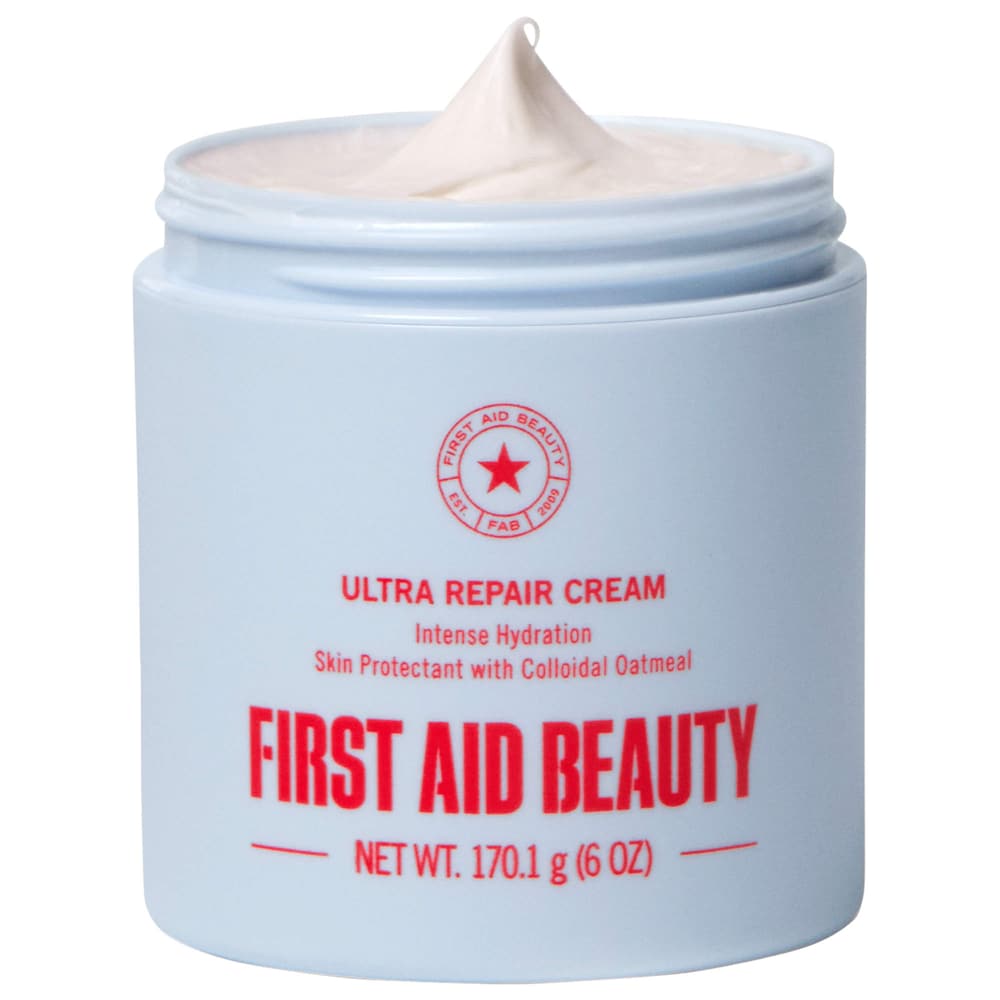
Price: $42.00 at Sephora, 6oz (Auto-Replenish $39.90); also 4oz and mini sizes · Brand: First Aid Beauty · Key: colloidal oatmeal + ceramide + shea
When threads turn to “my skin is genuinely reactive, not just a little dry,” this is the cream that keeps getting named. It’s National Eczema Association accepted, and its Sephora review wall is enormous — 10.7K reviews and 404.7K loves, rated highly for dry skin, sensitive skin, and overall satisfaction. It works face and body, a practical bonus in fall when arms and hands crack first.
What reviewers praise: fast absorption for a rich cream, dependable relief for eczema-prone and reactive skin, and versatility beyond the face (per Sephora verified reviewer feedback and r/SkincareAddiction consensus).
Recurring complaints: the large jar invites the same hygiene/oxidation critique; it can pill under certain sunscreens; and it’s a straightforward humectant-and-emollient cream, not an “actives” treatment — which is the point, but worth knowing.
Best fit for: a 35+ convert whose barrier reset is really about calming reactivity, not chasing anti-aging actives.
Shop First Aid Beauty Ultra Repair Cream at Sephora →
Best Peptide + Ceramide Value: Paula’s Choice RESIST Barrier Repair Advanced Moisturizer — ~$38
Price: ~$38 at Paula’s Choice DTC / Sephora / Amazon · Brand: Paula’s Choice · Key: ceramides + peptides + hyaluronic acid
This is the pick for the 35+ reader who doesn’t want to choose between barrier repair and anti-aging. Paula’s Choice builds this one around ceramides plus peptides plus hyaluronic acid, and claims it “strengthens and smooths the barrier in 30 minutes” (a brand claim). It’s fragrance-free and non-comedogenic, which makes it a sensible daily moisturizer for skin that’s both depleted and starting to care about firmness.
What reviewers praise: the ceramide-peptide combo doing two jobs in one step, the lightweight fragrance-free base, and its fit for combination skin (per brand and retailer review signals).
Recurring complaints: it’s thinner than a true rich cream, so very-dry users sometimes layer it over an oil or occlusive; results are described as gradual; and it has a smaller big-retailer review base than the Sephora heroes above.
Best fit for: a 35+ convert who wants peptides and barrier support in a single fragrance-free step. (Text pick — we don’t have a verified retailer image for this one, so we’re not showing a placeholder.)
Shop Paula’s Choice RESIST Barrier Repair at Paula’s Choice →
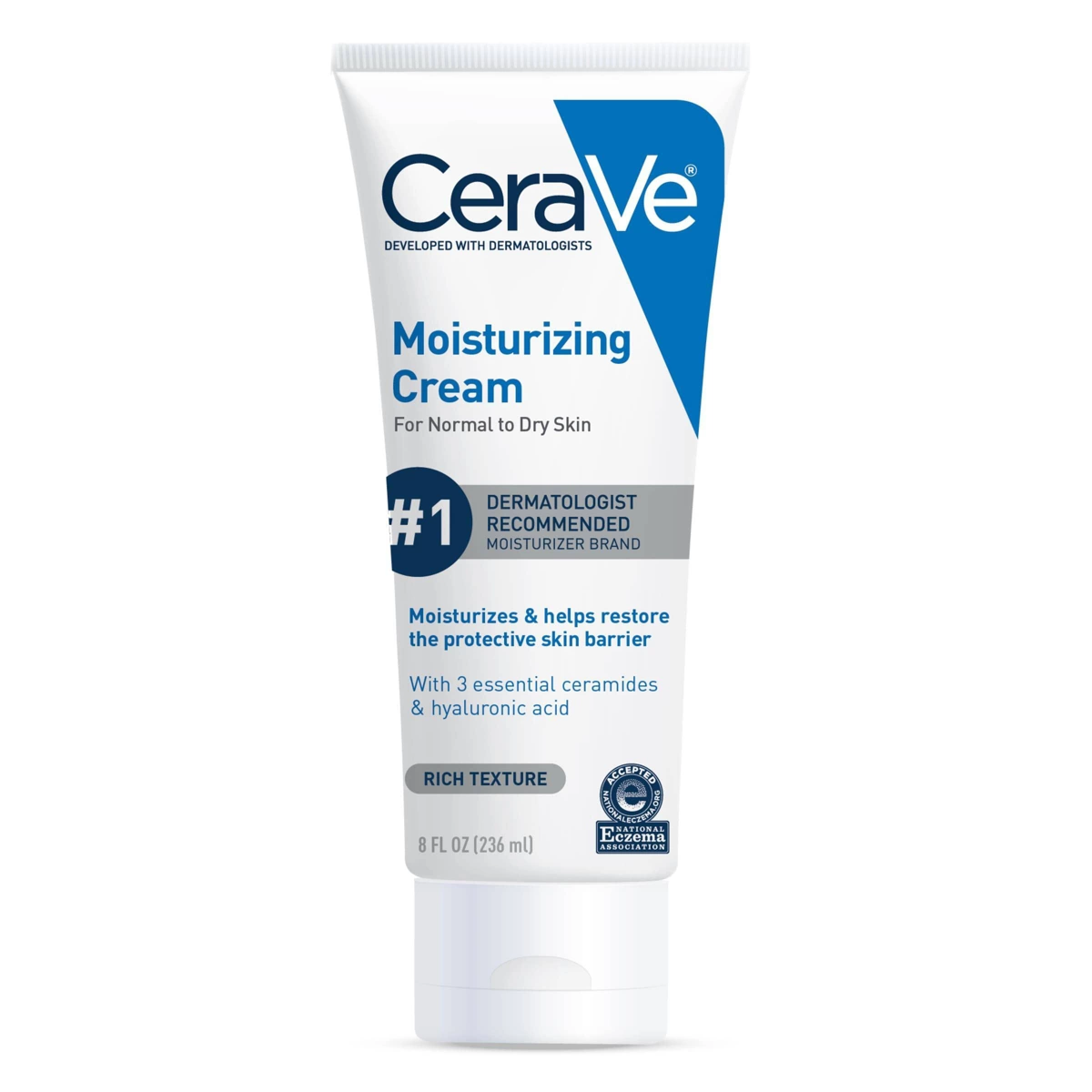
Best Drugstore Barrier Classic (below-band value): CeraVe Moisturizing Cream — ~$18
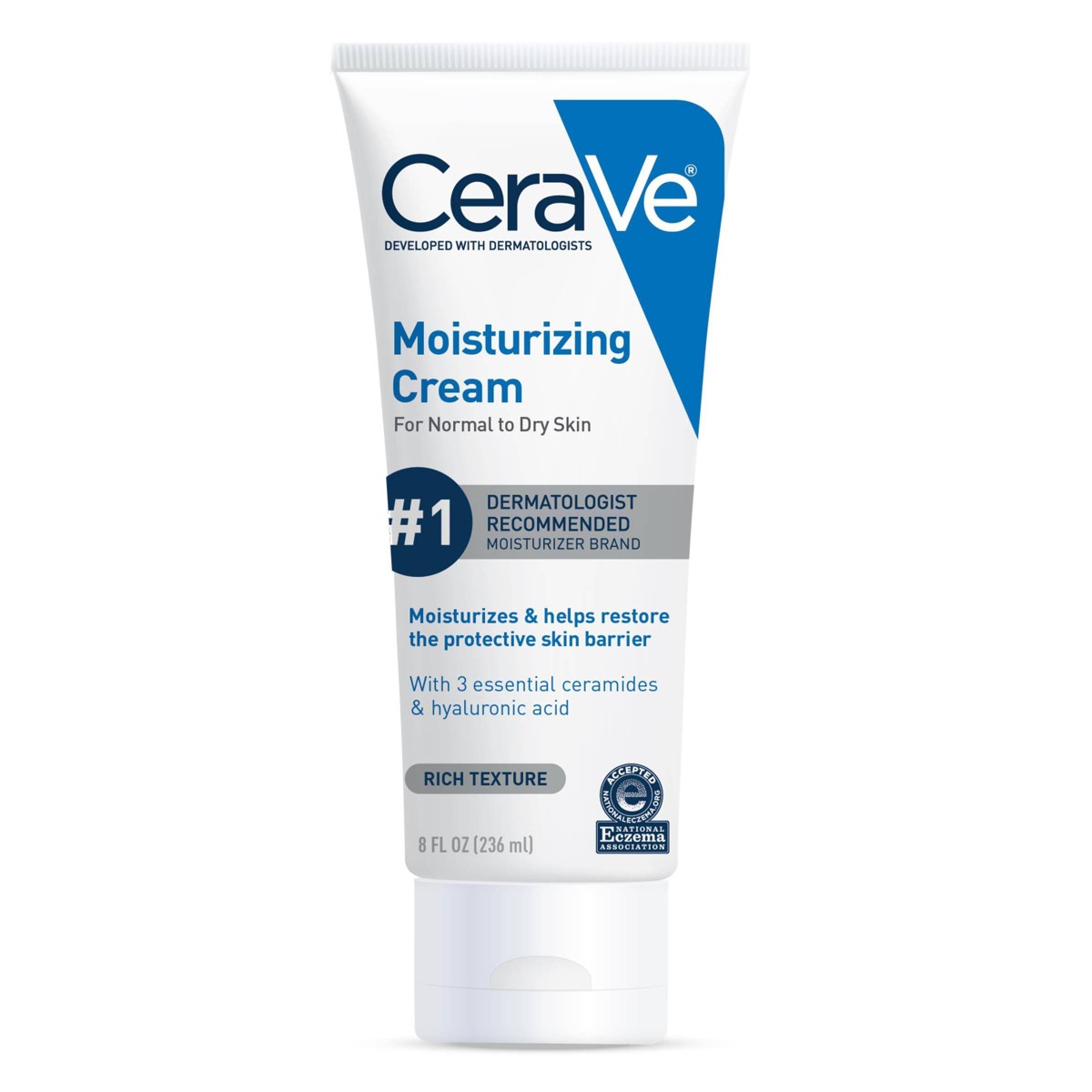
Price: ~$17.99 at Target (8oz; 16oz ~$19–20) · Brand: CeraVe · Key: 3 essential ceramides + hyaluronic acid + MVE slow-release
If there’s a single cream every 2026 roundup treats as the default, it’s this one. Per NBC Select and HuffPost’s dermatologist-cited coverage, CeraVe Moisturizing Cream is the benchmark barrier cream — three essential ceramides, hyaluronic acid, and MVE technology that releases hydration slowly over hours, all fragrance-free and under $20.
What reviewers praise: unbeatable price-to-performance, dermatologist ubiquity, and a formula that layers happily under actives (per expert roundups and verified reviews).
Recurring complaints: it’s thick and occlusive for oily skin; the tub packaging isn’t ideal; and there are zero anti-aging extras — a barrier workhorse, nothing more.
Best fit for: a 35+ convert on a budget, or anyone who wants a no-drama base to layer under a retinol night.
Shop CeraVe Moisturizing Cream at Target →
Best Lightweight Drugstore (below-band value): La Roche-Posay Toleriane Double Repair — ~$25
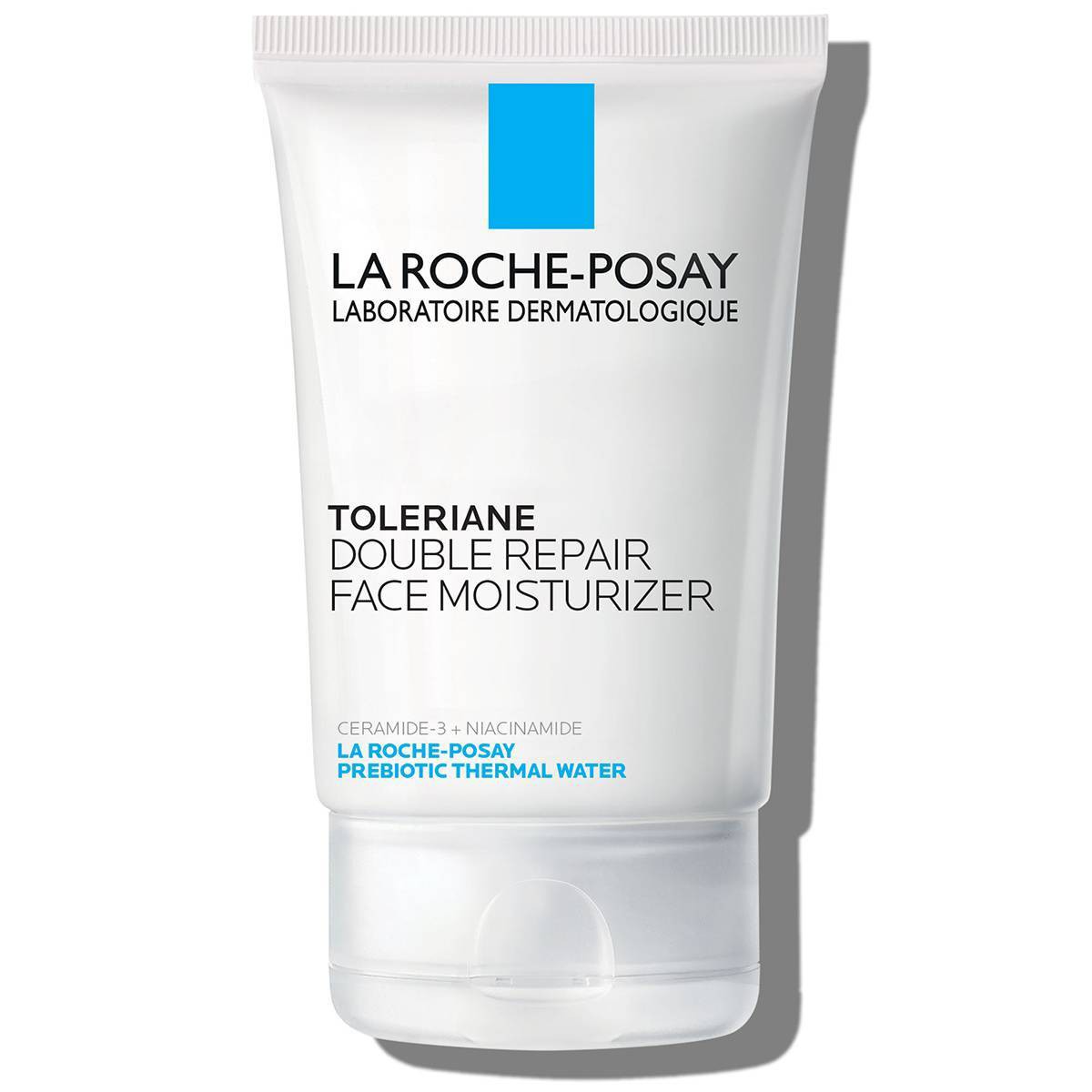
Price: ~$24.99 at Target (3.38oz; 2.5oz ~$19.99) · Brand: La Roche-Posay · Key: ceramide-3 + niacinamide + prebiotic thermal water
The lighter drugstore counterpart to CeraVe, and a frequent dermatologist favorite. It pairs ceramide-3 with niacinamide and glycerin in a texture light enough to wear under makeup; the brand claims barrier repair in about an hour and up to 48 hours of hydration.
What reviewers praise: the wears-under-everything feel, the niacinamide-plus-ceramide combo, and gentleness on reactive skin (per verified reviews and derm roundups).
Recurring complaints: it can be too light for severe winter dryness; niacinamide-sensitive users should patch test; and the matte vs. original variants confuse first-time buyers.
Best fit for: a 35+ convert who wants a daytime lightweight barrier layer and finds richer creams too heavy under SPF.
Shop La Roche-Posay Toleriane Double Repair at Target →
Best Gen-Z Budget Crossover (below-band value): Byoma Moisturizing Rich Cream — ~$17
Price: $16.99 at Ulta · Brand: Byoma · Key: Tri-Ceramide Complex + cholesterol + fatty acids
Byoma made its name on the “barrier-supporting ratio” — ceramides, cholesterol, and fatty acids in the proportions dermatologists cite as ideal — at a price that undercuts almost everything else here. The Rich Cream is the more emollient option in its lineup, and the recyclable refill packaging is a genuine sustainability angle for readers who care.
What reviewers praise: the ingredient story punching above the price, a lighter feel than the “Rich” name suggests, and the refill system (per retailer reviews and community mentions).
Recurring complaints: it’s a newer brand with a smaller long-term review base; it can read light for very dry skin; and a few users note the “fragrance-free” formula still carries a faint scent.
Best fit for: a 35+ convert curious about the viral budget option — or one shopping a barrier cream for a teen. (Text pick — no verified retailer image, so no placeholder shown.)
Shop Byoma Moisturizing Rich Cream at Ulta →
What Actually Repairs a Skin Barrier
Strip away the marketing and barrier repair comes down to replacing the “mortar” between skin cells. A few ingredients do most of the work:
- Ceramides are the headline. They’re lipids your skin makes naturally and loses with age, over-exfoliation, and cold, dry air. Topping them up is the core of every cream on this list.
- Cholesterol and fatty acids matter because ceramides don’t work alone. Dermatologists often cite a roughly balanced ceramide-to-cholesterol-to-fatty-acid ratio as ideal — the pitch behind Byoma’s “Tri-Ceramide” framing.
- Niacinamide supports the barrier and helps with redness and uneven tone — the reason La Roche-Posay’s lightweight pick leans on it.
- Panthenol (pro-vitamin B5), colloidal oatmeal, and beta-glucan are the soothing supporting cast that calms the stinging and flushing of a compromised barrier — present in the Dr. Jart+, Kiehl’s, and First Aid Beauty picks.
The “2.0” part of Barrier Repair 2.0 is really about doing less: fewer acids, gentler actives, and letting these lipids rebuild rather than blasting skin with another exfoliant.
How to Transition Your Routine for Fall (35+ Reset)
For a 35+ skincare convert whose barrier is frayed from years of actives, fall is the moment to reset. A practical, source-informed sequence:
- Pull back the actives first. Cut exfoliating acids and high-strength retinol to a couple of nights a week — or pause entirely for two weeks — while the barrier rebuilds. Every “Barrier Repair 2.0” write-up frames this as repair before resumption.
- Simplify to a gentle cleanser, a barrier moisturizer, and daily SPF. Skinimalism isn’t a vibe here; it’s the treatment.
- Match texture to your dryness. Reach for a richer cream (Dr. Jart+, First Aid Beauty) at night and a lighter one (Kiehl’s, La Roche-Posay) under makeup by day.
- Give it four weeks. Barrier recovery is measured in weeks, not days.
- Reintroduce actives slowly once stinging and flaking stop, one product at a time.
FAQ
What is the best moisturizer to repair the skin barrier?
There’s no single winner, but the creams that dominate 2026 dermatologist-cited roundups and community threads are ceramide-forward: Dr. Jart+ Ceramidin and First Aid Beauty Ultra Repair among prestige picks, and CeraVe Moisturizing Cream as the drugstore default. All three appear repeatedly across NBC Select, HuffPost, and Reddit consensus.
How long does it take to repair a skin barrier?
General guidance in expert coverage is roughly two to four weeks for a mildly compromised barrier, and longer for badly over-exfoliated skin. The consistent theme: results come from consistency and restraint (fewer actives), not a single miracle application.
Are ceramides or niacinamide better for barrier repair?
They do different jobs, so it’s not either/or. Ceramides replace the lipids skin loses, while niacinamide supports barrier function and calms redness. Many picks here — La Roche-Posay in particular — combine both, which is generally the strongest approach.
Is Dr. Jart+ Ceramidin worth it?
For a ceramide-forward cream, the review consensus is strongly positive: 79.7K Sephora loves and repeated top billing for dry, cold-weather skin. The honest caveats are the $50 price (at our ceiling, not under it), a texture some find heavy in summer, and jar packaging. If budget is the priority, CeraVe delivers ceramides for a fraction of the cost.
Editor’s Pick Recap
For most 35+ skincare converts rebuilding a frayed barrier this fall, the research points to Dr. Jart+ Ceramidin ($50, at the ceiling) as the most-vouched-for ceramide hero, Kiehl’s Ultra Facial Advanced Repair ($48) as the “2.0” lightweight, and First Aid Beauty Ultra Repair ($42) when reactivity is the real issue. Want peptides in the mix? Paula’s Choice RESIST (~$38). On a budget, CeraVe (~$18) is the derm-default that layers under everything, with La Roche-Posay (~$25) and Byoma (~$17) as lighter, trendier value options.
This is an editorial research roundup — we do not personally test every product. It synthesizes dermatologist-cited expert coverage, community consensus, verified retailer reviews, and brand claims (labeled as such). Prices and stock shift, especially seasonally, so confirm the live price at your retailer before buying. As an Amazon Associate and an affiliate for the retailers linked above, BestUnderPick may earn from qualifying purchases at no extra cost to you.
→ Related: Best Beginner Retinol Creams Under $30 for 35+ Skin