Best PDRN Serums Under $30 for the 35+ Skincare Convert in 2026 (Editorial Roundup)
Editorial Research Roundup — compiled from secondary sources, not personal hands-on testing. This guide synthesizes dermatologist commentary, expert coverage (Who What Wear, Byrdie, Yahoo Beauty, The Daily Beast’s Scouted), verified buyer reviews on Sephora, Ulta and brand sites, and reader consensus from r/SkincareAddiction, r/AsianBeauty and r/30PlusSkinCare. No one on our team used every serum here for a season. As an Amazon Associate and an affiliate for several beauty retailers, BestUnderPick may earn from qualifying purchases at no extra cost to you.
If you crossed 35 and suddenly started reading ingredient lists like fine print, this guide is built for you. The “salmon DNA” facial that the Kardashians and a wave of clinic-savvy TikTokers made famous in 2025 has, in 2026, been miniaturized into bottles you can buy for less than a single restaurant entrée — Anua, Numbuzin, Medicube and VT all sell a PDRN serum under $30, and some dip under $20 on sale. Here’s the decisive part, and the honest part most viral roundups skip: topical PDRN is not the same as the injectable version your dermatologist uses, so we ranked these on what an at-home serum can realistically do for mature skin, not on hype. After cross-referencing derm interviews, expert roundups and hundreds of verified reviews, a short list of names kept surfacing as the picks worth your $30.
What is PDRN (and “salmon DNA”), really?
PDRN stands for polydeoxyribonucleotide — short fragments of DNA most commonly sourced from salmon or salmon roe. The pitch you’ll see everywhere is that these fragments are structurally familiar enough to human skin that your cells treat them as a repair signal, with research pointing toward fibroblast activity, collagen support and reduced inflammation. That mechanism has real published backing, but per board-certified dermatologist commentary cited across Byrdie and The Daily Beast’s Scouted coverage in 2026, most of the strong evidence comes from injectable PDRN used in clinics, not from topical serums. An injectable is placed into the dermis; a serum has to survive the skin’s barrier first, and the data on how much active PDRN actually penetrates from an over-the-counter formula is far thinner.
So here’s our framing for the whole list: treat topical PDRN as a supportive hydration-and-barrier ingredient with promising regenerative signaling, not as a bottle of the clinic treatment. Per r/30PlusSkinCare and r/SkincareAddiction consensus (2024–2026), the people happiest with these serums went in expecting glow, plumpness and a calmer barrier over several weeks — not a replacement for retinoids, in-office Rejuran, or sunscreen.
Two more honesty notes before the picks. First, brand claims like “95% similar to human DNA” and “10,000 ppm is the efficacy threshold” are marketing language with no clear independent clinical basis — we report ppm figures as the brand’s own claim, never as a proven cutoff. Second, “vegan PDRN” (derived from plants, rose, red bean or fermented sources) is chemically not the same as salmon-derived PDRN, and per Who What Wear’s derm commentary the research on plant/microbial versions is still emerging compared with fish-derived. We flag which picks are salmon and which are vegan throughout.
How This Guide Was Compiled
- Reader aggregation — We read PDRN and “salmon DNA” threads across r/SkincareAddiction, r/AsianBeauty and r/30PlusSkinCare (2024–2026), focusing on what 35+ users reported after a month or more.
- Expert coverage compile — We cross-referenced 2026 roundups and explainers from Who What Wear, Byrdie, Yahoo Beauty and The Daily Beast’s Scouted, plus named dermatologist quotes within them.
- Verified review sampling — We sampled verified-buyer reviews on Sephora, Ulta and each brand’s own site, weighting recurring praise and recurring complaints over one-off raves.
- Brand and retailer cross-check — Prices, PDRN source (salmon vs vegan) and formulation details were checked against brand listings as of early June 2026. PDRN serums discount often, so we list MSRP and note when a product is frequently on sale.
We have not personally carried or used every product in this guide. Where the consensus is strong, we present it directly. Where reviews split, we surface the disagreement.
Quick Comparison
| Serum | Price (MSRP) | PDRN type | Key extras | Best for |
|---|---|---|---|---|
| Anua PDRN HA Capsule 100 | $30 | Salmon DNA | 3% HA complex, low-mol. collagen, glutathione | Top Pick — hydration-first barrier |
| Numbuzin No.2 Rose PDRN Collagen 2X | $28 (often ~$21) | Vegan (Rose PDRN) | 15 peptides, niacinamide | Best Value — plumping & bounce |
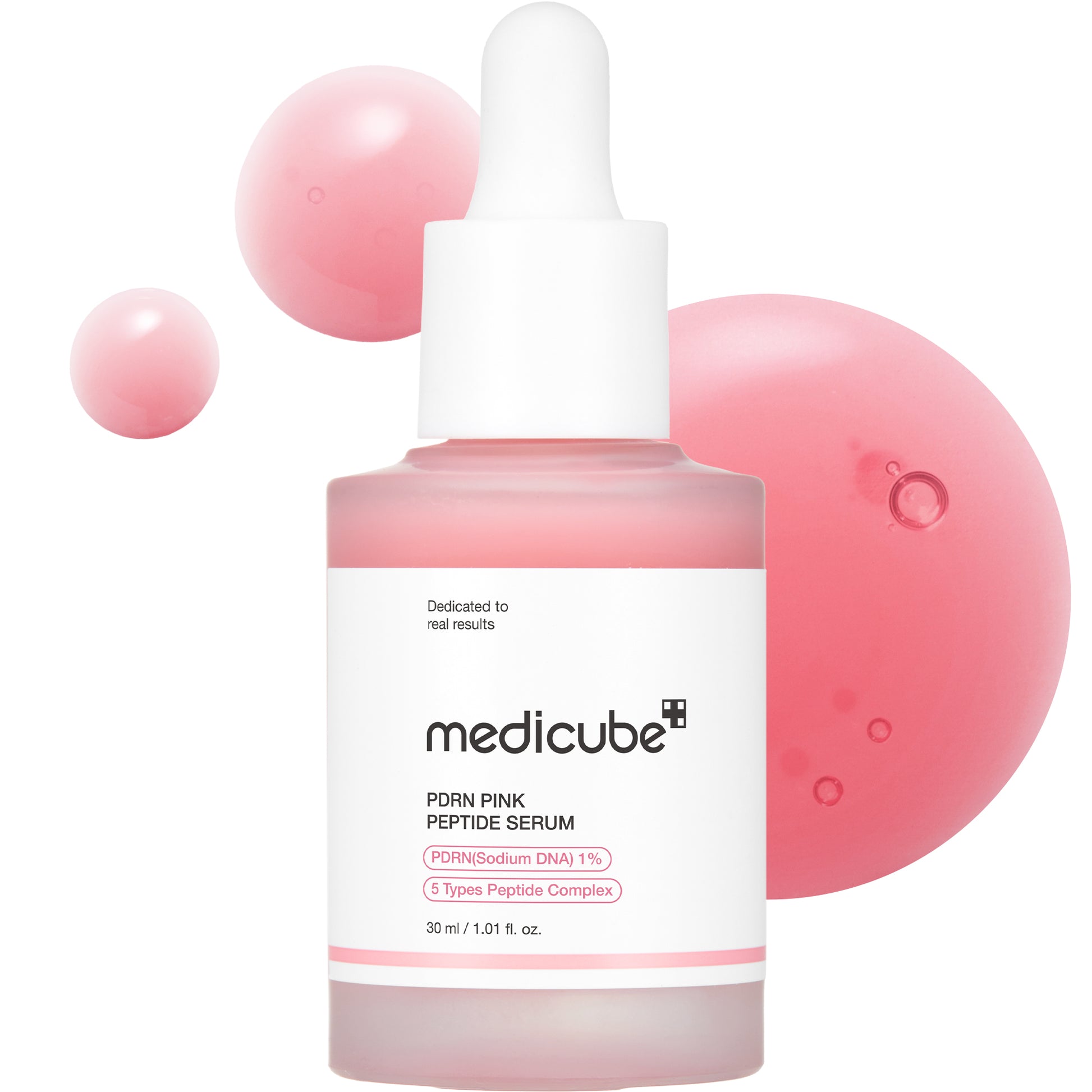
| Medicube PDRN Pink Peptide | $26 (Amazon often $14–19) | Salmon DNA variant | 5-peptide complex, niacinamide, adenosine | Most Recognizable |
| VT PDRN Glow Ampoule | $21 | Vegan PDRN | Large 100ml, watery essence | Best Budget — bottom of band |
| Rejuran Turnover Ampoule c-PDRN | $52 | Salmon DNA (c-PDRN) | Clinic-origin brand halo | Best Splurge (over-band) |
Four picks sit inside our Under $30 band ($21–$30): Anua, Numbuzin, Medicube and VT. We’ve added one clearly labeled out-of-band sidebar — the Rejuran splurge above the band — because the clinic-origin brand comes up constantly in 35+ conversations. (We originally lined up The INKEY List’s $18 vegan PDRN as a budget pick, but it was sold out at publish time, so we swapped in VT’s in-band ampoule.)
Top Pick — Anua PDRN Hyaluronic Acid Capsule 100 Serum ($30, salmon DNA)
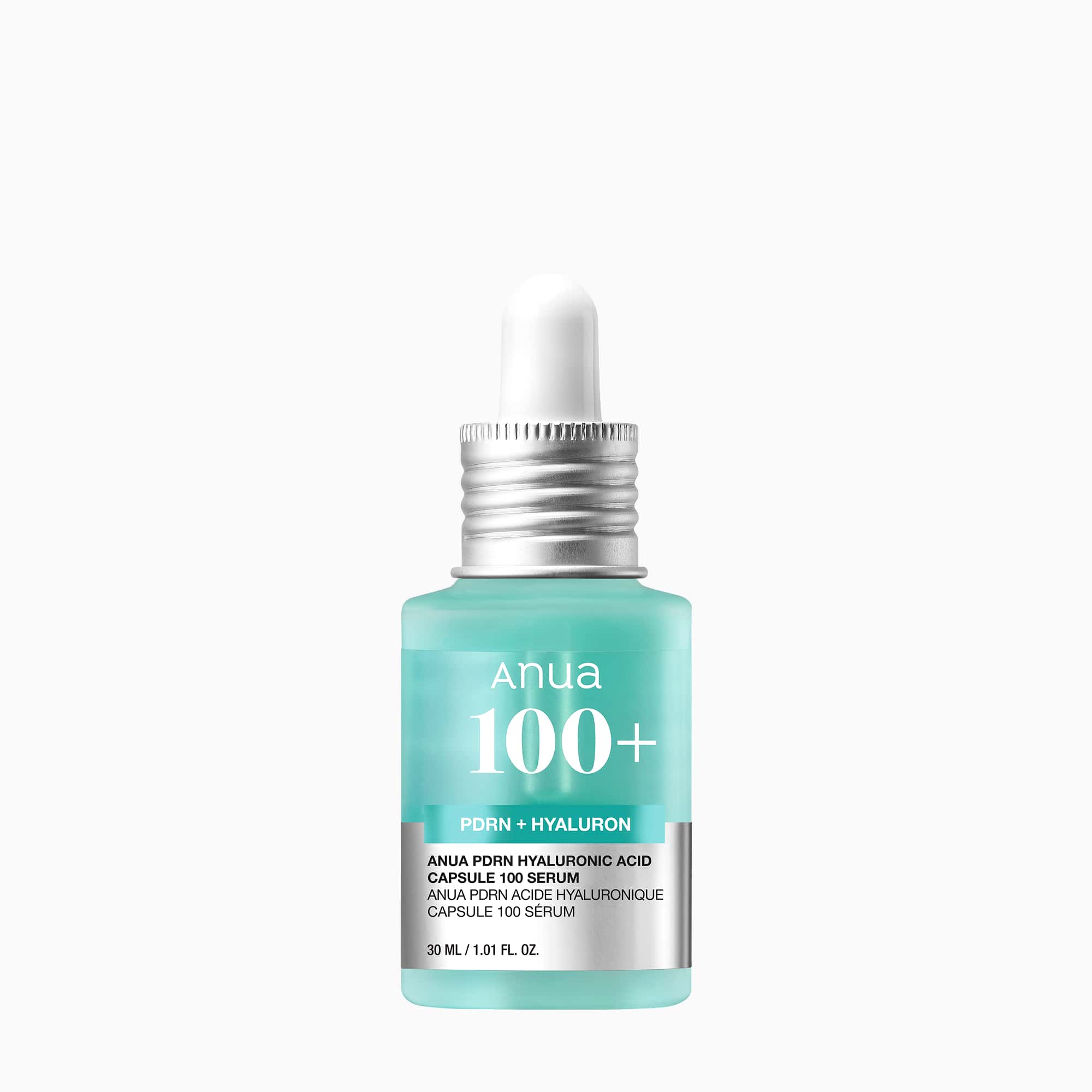
Quick stats: $30 / 30ml · salmon-DNA PDRN · 3% 11-layer hyaluronic complex + 300Da hydrolyzed collagen + glutathione · fragrance-free, non-comedogenic.
Anua’s capsule serum earns the top spot because it’s the most well-rounded for the 35+ priority of barrier and hydration. Per Anua’s verified buyer reviews (4.7★ at the time of writing) and r/AsianBeauty mentions, it layers like a featherweight watery essence and is frequently used as a hydrating step after retinol. One verified buyer in the 46–50 age range described it as smart hydration she reaches for to lock in moisture after her actives — exactly the supporting role topical PDRN plays best.
What reviewers praise
- Lightweight emerald texture that sinks fast
- Genuine plumping-from-hydration
- Fragrance-free and low-irritation, which the sensitive-skin crowd on r/SkincareAddiction appreciates
Recurring complaints
- It’s very watery, so the dropper can run and the liquid can migrate toward the eyes if you overapply
- Because PDRN sits lower on the ingredient list, the hydration is the headline while the regenerative effect is, by reviewers’ own account, subtle
Best fit for: a 35+ skincare convert who wants a no-drama hydrating PDRN step that plays well after retinoids.
Shop Anua PDRN HA Capsule 100 on Amazon →
Best Value — Numbuzin No.2 Rose PDRN Collagen 2X Plumping Serum ($28, vegan)
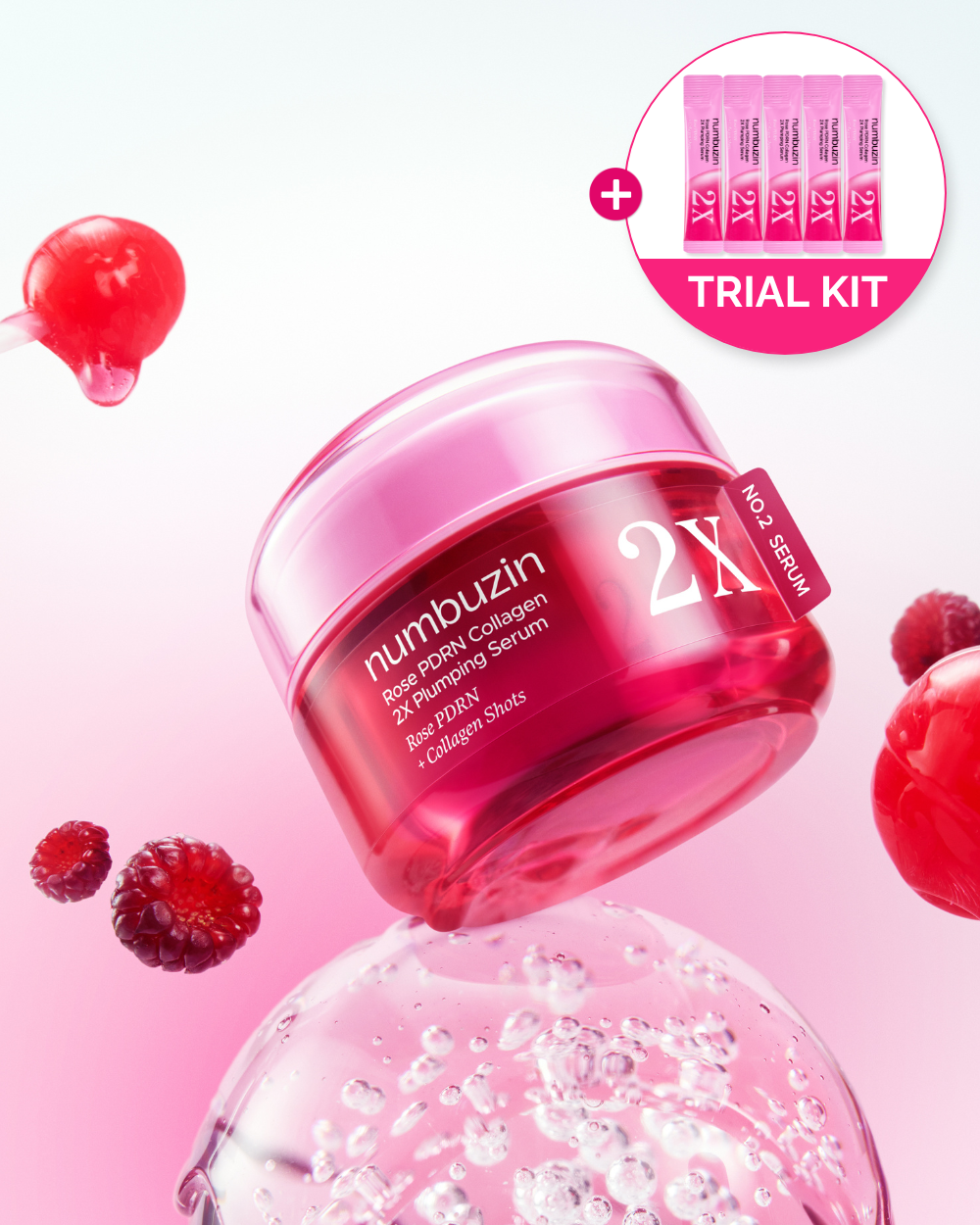
Quick stats: $28 MSRP (frequently ~$21 on sale) / 30ml · vegan Rose PDRN (plant-derived, not salmon) · 10% Rose PDRN + 15 peptides + 54% collagen water + 5% niacinamide · bouncy jelly texture, mint cooling.
For shoppers chasing the most actives per dollar, Numbuzin’s No.2 is the value standout — and one of the few here that frequently drops to about $21. Per Numbuzin’s own reviews (90% five-star across 100+ ratings) and r/AsianBeauty threads, the draw is immediate bounce and a “less tight” feeling, thanks to a heavy peptide-and-collagen-water base around the Rose PDRN.
Honesty flag: this is vegan PDRN, so if your interest in PDRN is specifically the salmon-derived clinical story, this isn’t a like-for-like — per Who What Wear’s derm note, plant-derived versions have thinner data. As a peptide-forward plumping serum that happens to include vegan PDRN, though, it punches above $28.
What reviewers praise
- Satisfying jelly texture
- Visible short-term plumping
- Strong supporting cast of peptides and niacinamide
Recurring complaints
- The jar/pot packaging is less hygienic and travel-friendly than a pump
- The vivid raspberry-red color surprises first-timers
- The minty tingle can read as irritation on reactive skin
Best fit for: a 35+ reader who wants maximum plumping ingredients per dollar and isn’t fixated on salmon-derived PDRN specifically.
Shop Numbuzin No.2 Rose PDRN at Ulta →
Most Recognizable / Editor’s Pick — Medicube PDRN Pink Peptide Serum ($26, salmon DNA variant)
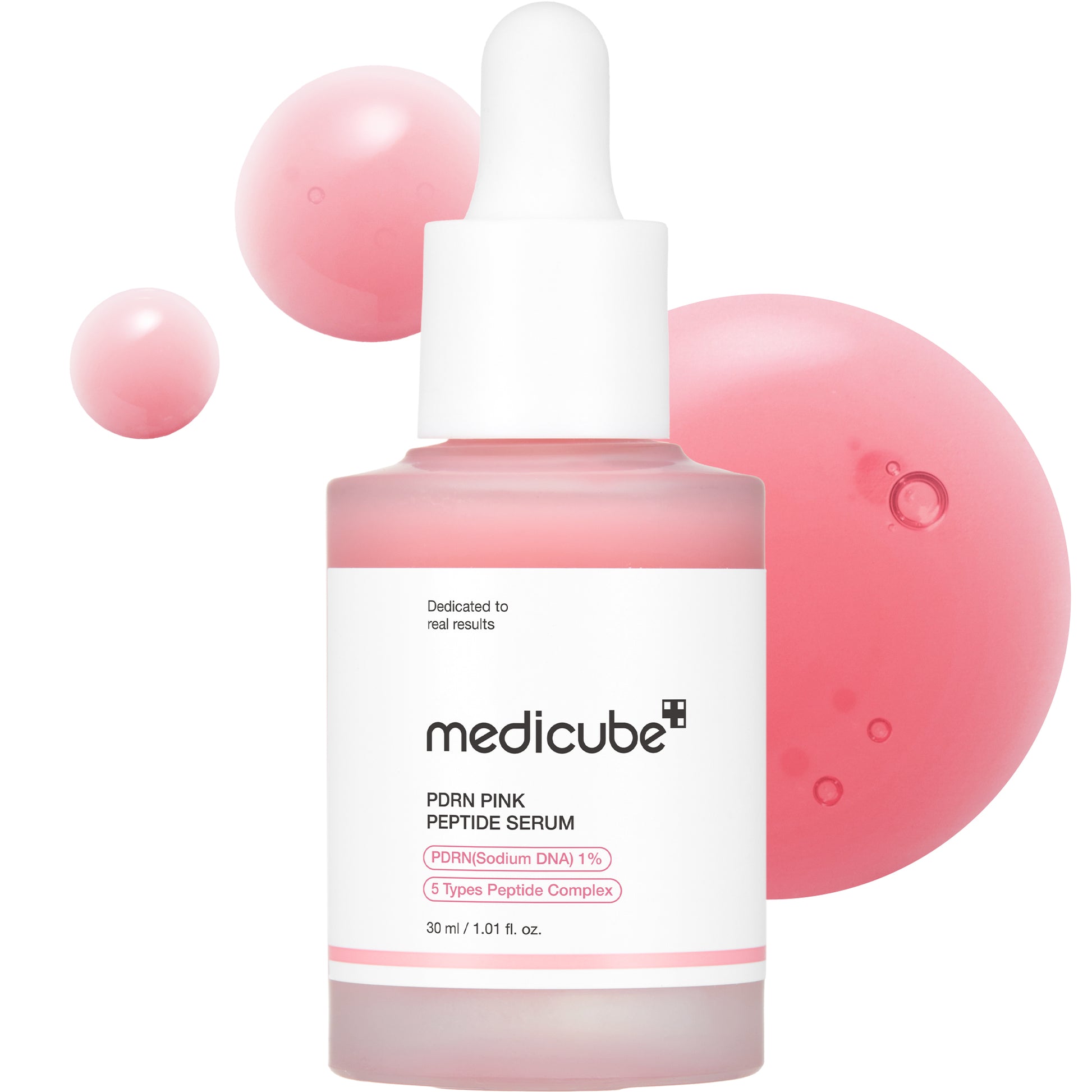
Quick stats: $26 MSRP (Amazon often $14–19) / 30ml · salmon-DNA PDRN variant (a vegan Rose version also exists) · 5-peptide complex + niacinamide + adenosine · pink (B12-tinted, non-staining) lightweight serum.
If you’ve spent any time in 2026 K-beauty corners, this is the bottle you’ve already seen. Medicube’s PDRN Pink Peptide is the most recognizable affordable PDRN serum, and it routinely sells below MSRP on Amazon, which is why it’s our editor’s pick for the reader who wants the famous one without overpaying. The brand markets a “10,000 ppm” PDRN figure — we note that as the brand’s own claim, not an independent efficacy benchmark.
Per a SheKnows write-up and aggregated Hwahae reviews, fans report a more even tone and a glow within a couple of weeks, while skeptics push back on two things: a tacky finish and the idea that the “pink” is doing anything beyond aesthetics. Reviews also split on pigmentation — several note it didn’t fade existing scars or dark marks, which tracks with our topical-PDRN-is-supportive framing.
What reviewers praise
- Brightening-plus-glow at a genuinely low street price
- Pleasant lightweight feel
- The most beginner-friendly “try PDRN” entry
Recurring complaints
- Sticky/tacky finish for some
- No meaningful effect on established scarring or pigmentation
- A vocal minority finds the pink tint gimmicky
Best fit for: a 35+ K-beauty convert who wants the well-known salmon-DNA option and is happy to buy it on an Amazon dip.
Shop Medicube PDRN Pink Peptide on Amazon →
Best Budget — VT PDRN Glow Ampoule ($21, vegan)
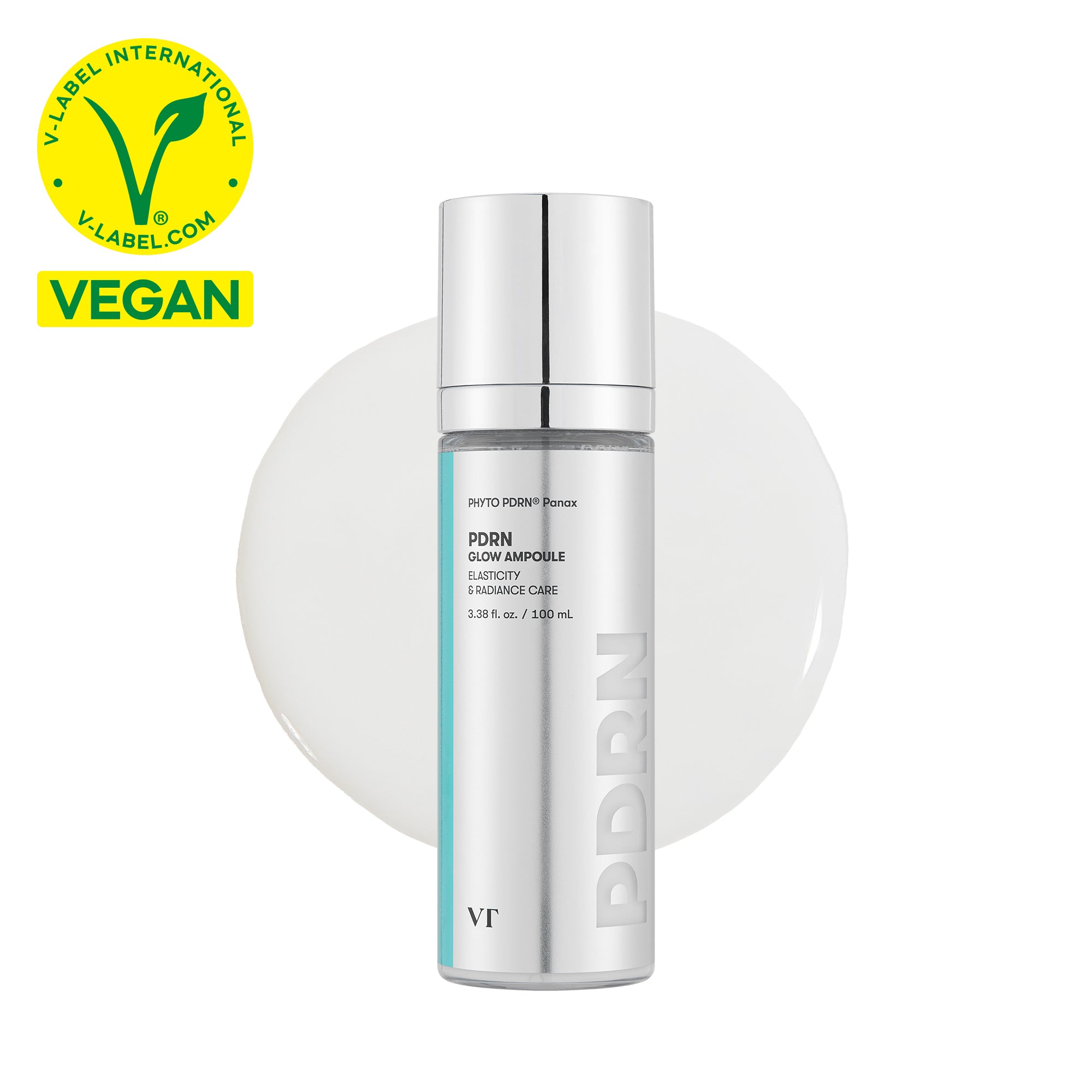
Quick stats: $21 / 100ml · vegan PDRN · watery glow ampoule in a notably large size.
At $21, VT’s ampoule sits at the very bottom of our $21–$30 band, which makes it the cheapest in-band way to fold PDRN into a routine — and the 100ml size is far larger than the 30ml bottles above it, so the cost-per-use is the lowest in this guide. Per r/AsianBeauty mentions and VT’s own listings, it behaves more like a hydrating glow essence than a treatment serum, which is the honest expectation to set. As with the other plant-based picks it’s vegan PDRN, so carry the same “thinner data than salmon-derived” caveat.
What reviewers praise
- Generous size and value
- Lightweight, layerable glow
- Easy to add over or under other steps
Recurring complaints
- The essence-like, watery feel means less concentrated “treatment” payoff than a dedicated serum
- Being vegan PDRN, it isn’t the salmon-derived clinical story some shoppers are after
Best fit for: the value-first 35+ reader who wants to try in-band PDRN with the lowest cost-per-use and likes a hydrating glow step.
Note: we originally planned to feature The INKEY List’s $18 vegan PDRN serum here, but it was sold out at publish time. If you specifically want the under-$20 option, watch for that restock or look at Beauty of Joseon’s Red Bean PDRN (~$17, vegan, texture/pore focus).
Shop VT PDRN Glow Ampoule at Ulta →
Best Splurge (over-band sidebar) — Rejuran Turnover Ampoule c-PDRN ($52, salmon DNA)
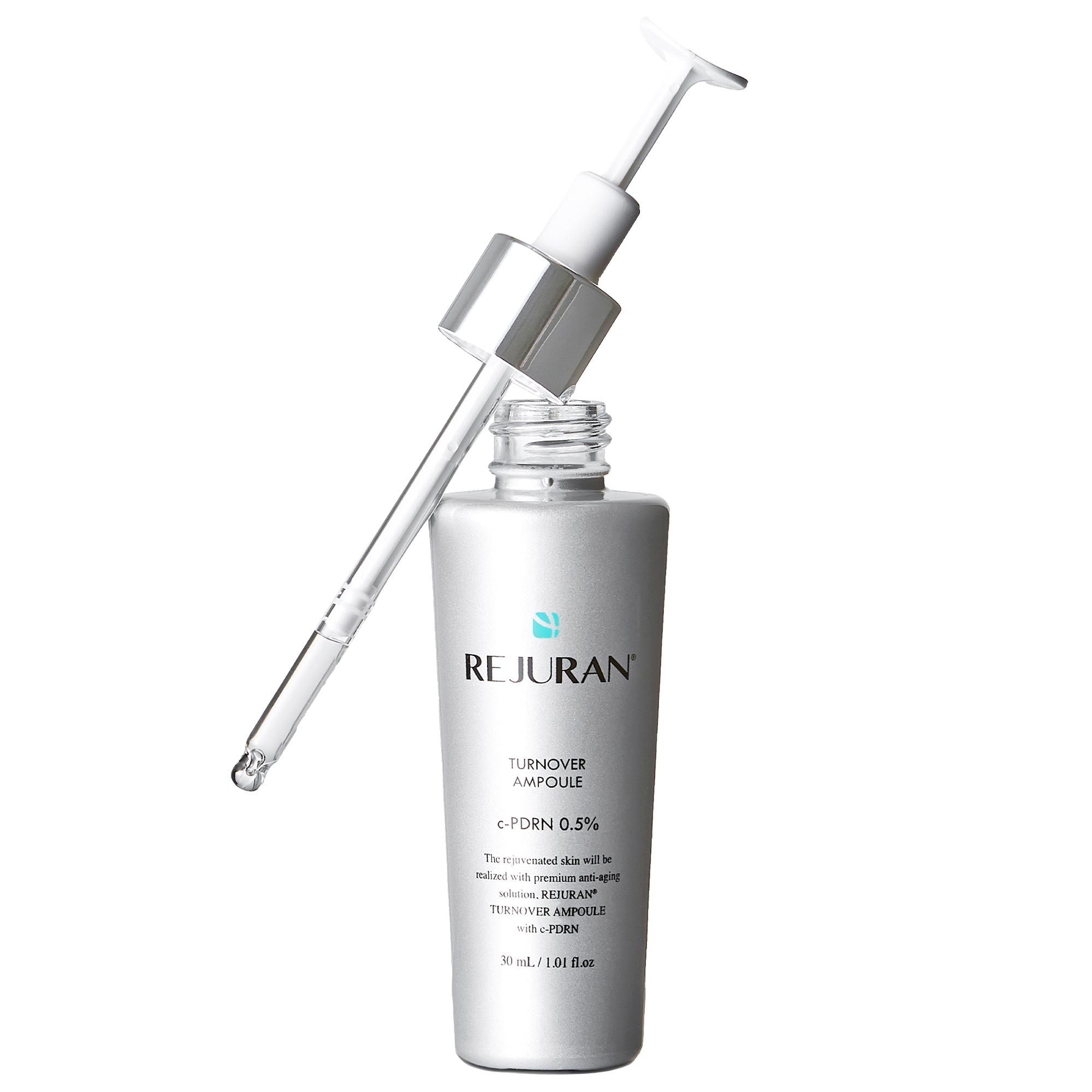
Quick stats: $52 / line spans $23–$65 · salmon-DNA, 0.5% c-PDRN · turnover/renewal ampoule with a glass-skin finish.
This one is over our $30 ceiling, but it earns a sidebar because Rejuran is the name dermatologists and medspa regulars already associate with the original clinical “salmon DNA” treatments. For a 35+ reader who specifically wants the at-home product from the heritage polynucleotide brand, this is the credibility splurge. Per Yahoo Beauty’s 2026 coverage, even the at-home Rejuran ampoule is, by the outlet’s own framing, not as potent as what you’d receive in a dermatologist’s office — a useful reminder that price doesn’t erase the topical-vs-injectable gap.
Recurring complaints
- Premium price for a small size
- Results described as gradual and subtle (maintenance, not miracle)
- A minimalist formula relative to its cost
Best fit for: a derm-informed 35+ shopper who values the clinic-origin brand and is willing to pay for the halo.
Shop Rejuran Turnover Ampoule at Sephora →
How to Choose a PDRN Serum at 35+
Salmon vs vegan. If your interest is the specific salmon-derived PDRN story, choose Anua, the Medicube salmon variant, or Rejuran. If you mainly want a peptide-forward plumping serum and PDRN is a bonus, the vegan picks (Numbuzin, VT, Beauty of Joseon) deliver more supporting actives per dollar. Per Who What Wear’s derm commentary, don’t assume the two are interchangeable on evidence.
Set realistic expectations. Topical PDRN is best understood as hydration, barrier support and a regenerative signal — not a stand-in for retinoids, vitamin C, sunscreen or in-office treatments. Per r/30PlusSkinCare consensus, the satisfied 35+ users layered PDRN with their existing routine and judged it over four to eight weeks.
Read the ingredient position and the price history. PDRN low on an INCI list means a modest concentration regardless of the headline ppm claim. And because these serums discount frequently, check whether the “deal” is just the normal street price — Numbuzin and Medicube in particular often sell well under MSRP.
Patch test. Several picks include niacinamide, peptides or a mint/cooling agent that can sting reactive skin. Introduce one new active at a time.
FAQ
What is PDRN in skincare?
PDRN (polydeoxyribonucleotide) is a fragmented DNA ingredient, usually salmon- or salmon-roe-derived, marketed for its skin-repair signaling. Research links it to fibroblast activity and collagen support, though per dermatologist commentary the strongest evidence is for injectable, clinic-administered PDRN rather than over-the-counter serums.
Does topical PDRN actually work?
Reviewers and experts generally agree topical PDRN can support hydration, barrier health and glow over several weeks, but per Byrdie and Daily Beast derm quotes it’s a supportive ingredient, not a miracle, and it’s weaker than the injectable version. Frame results as gradual and cumulative.
Is salmon DNA serum worth it?
For a 35+ reader who already has the basics (retinoid, sunscreen, moisturizer) and wants to add a gentle regenerative-leaning hydrator, an under-$30 option like Anua or Medicube is a low-risk add. If you want the clinical effect, that’s an in-office conversation, not a serum.
What’s the difference between PDRN and polynucleotides (PN)?
They’re related DNA-fragment ingredients; PN generally refers to longer molecular chains than PDRN, and both appear in topicals and injectables. Most marketing blurs the two — for a serum, the practical differences for your skin are smaller than the brand storytelling suggests.
Editor’s Pick Recap
For most 35+ skincare converts, Anua PDRN HA Capsule 100 ($30, salmon DNA) is the best-rounded in-band pick, Numbuzin No.2 Rose PDRN ($28, vegan) is the value play for plumping, and Medicube PDRN Pink Peptide ($26, salmon variant) is the recognizable name to grab on an Amazon dip. Want the lowest cost-per-use? VT PDRN Glow Ampoule ($21, vegan) is the budget pick. Want the clinic-origin halo? Rejuran ($52) is the splurge. Across all of them, remember the honest throughline: topical PDRN is a supportive step, not the injectable treatment.
This is an editorial research roundup. We do not personally test every product; we synthesize dermatologist commentary, expert coverage, verified buyer reviews and reader consensus, and we label brand marketing claims (like specific ppm or DNA-similarity figures) as claims rather than facts. BestUnderPick may earn an affiliate commission from links above at no extra cost to you.